
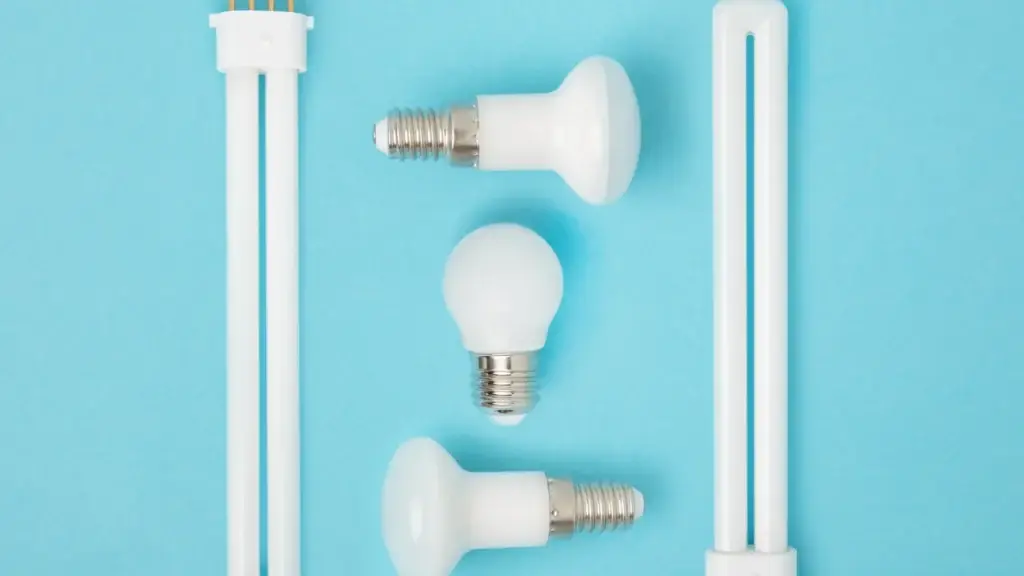
How you dispose of a light globe depends on its type. Incandescent globes can go in the garbage bin wrapped in paper, LEDs can be recycled where a council or recycler accepts them, and CFLs and fluorescent tubes contain mercury, so they need a drop-off point rather than a household bin. Knowing which globes need special handling matters when you book a property clearout through Urgent Pro, because fluorescent tubes are not part of a general rubbish removal.
Main types of globes
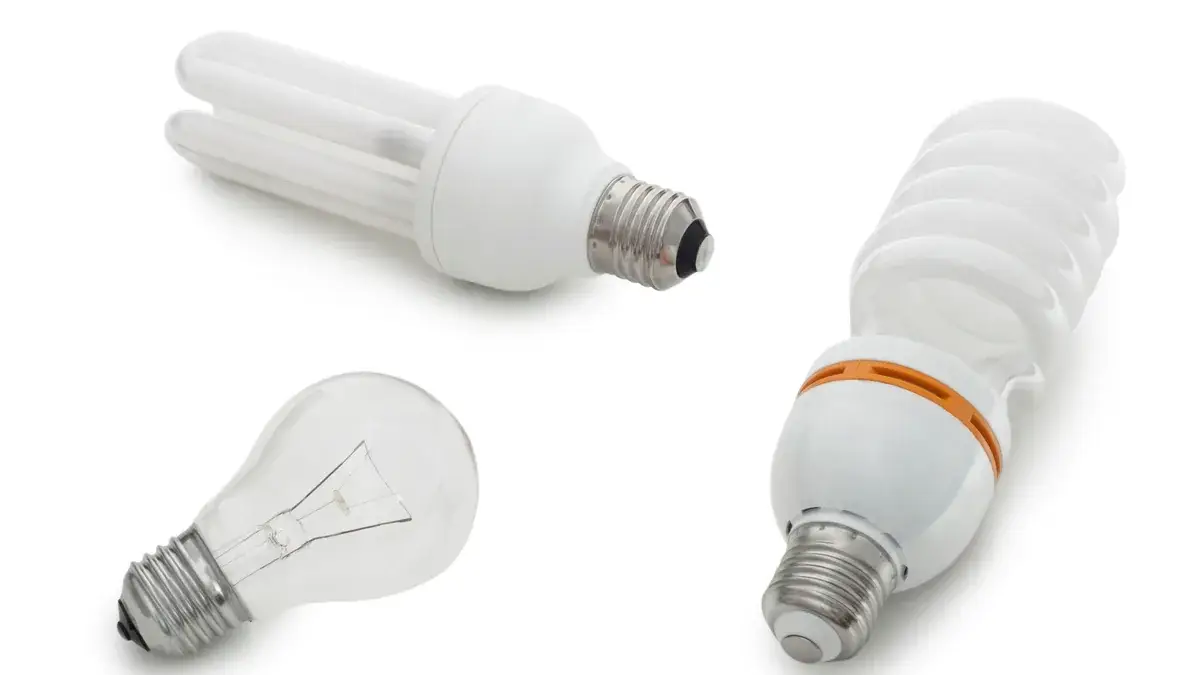
| Globe type | Where it goes |
|---|---|
| LED | A council drop-off or a recycler that accepts LEDs; call ahead |
| Incandescent | The garbage bin, wrapped in paper towel or tissue and bagged; never the recycling bin |
| Halogen | Check with your council; South Australia has a free household program that accepts halogens |
| CFL (compact fluorescent) | A council drop-off or a commercial recycler; never a household bin |
| Fluorescent tube (linear) | A council drop-off or a commercial recycler; never a household bin |
LED, incandescent and halogen globes
The Australian Government has been phasing out incandescent globes because they are inefficient. Planet Ark groups halogens with incandescent globes as an older style that is being phased out.
LED globes are free of mercury, lead and phosphorus, and the materials inside them are all recyclable. Some councils accept LEDs at permanent drop-off points or collection events, and some recyclers take them. Call ahead to check whether small quantities are accepted.
Incandescent globes can go in the garbage bin. Wrap each one in paper towel or tissue and put it inside a bag first so it can be handled safely. Do not put them in the glass or commingled recycling bin, because the heatproof glass contaminates the recycling.
Why CFLs and fluorescent tubes need separate disposal
CFLs and fluorescent tubes contain mercury. According to the WA Department of Health, most CFLs contain fewer than 5 milligrams. Planet Ark describes fluorescent lights as the largest source of mercury contamination in municipal landfills, which is why it advises keeping them out of both the recycling and garbage bins.
When fluorescent lights are recycled, the mercury, glass, phosphor and aluminium can be recovered for reuse.
Where to take CFLs and fluorescent tubes
Lighting Council Australia’s FluoroCycle scheme is a voluntary product stewardship scheme for mercury-containing lamps, but it targets the commercial and industrial sectors rather than households.
For households, the options are:
- Council drop-off points and collection events. Many councils provide permanent drop-off locations or periodic collection events that take fluorescent tubes and CFLs. Check with your council for locations, opening hours and any booking requirements.
- Commercial recyclers. Some recycling companies accept fluorescent lights. Call ahead to check whether they take household quantities.
- South Australia. According to Planet Ark, South Australian residents can access a free recycling program for household light globes, including halogen, incandescent and fluorescent lights.
To find a drop-off location for your postcode, use the Planet Ark Recycling Near You directory, which lists council and commercial recyclers across Australia.
If a CFL breaks
The WA Department of Health publishes clean-up guidance for broken CFLs in HealthyWA’s guide to mercury and CFLs. The steps below follow it.
Make sure young children leave the area quickly and safely, and ventilate the room. Mercury levels drop quickly once the room is ventilated, and by the time the room is cleared and clean-up materials are gathered, the small amount of mercury in the fumes no longer poses a health risk.
Wear disposable plastic gloves rather than using bare hands. Scoop up the broken material with stiff paper or cardboard, or sweep it up carefully with a disposable brush. Place the glass in a container that can be sealed, or wrap it in paper. Use sticky tape or a damp cloth to pick up the remaining fragments and powder.
Do not use a vacuum cleaner on the broken glass, because it can trap and spread the mercury. On carpet or fabric, remove as much as you can with a scoop and sticky tape. If vacuuming is then needed to remove what is left, throw the vacuum bag away or wipe the canister thoroughly clean.
Seal the clean-up equipment, such as gloves, brush and paper, in a container. HealthyWA says broken CFLs go in the general waste bin, never the recycling bin.
The key distinction is that intact globes go to a drop-off, and broken pieces go sealed into the general waste bin.
Clearing a property
A property being cleared after a long tenancy may have several types of globe across its fittings. There may be LEDs in the living area, halogen downlights in the bathrooms, a CFL in the laundry and a fluorescent tube in the kitchen or garage. Rubbish removal providers do not take fluorescent tubes as part of a general rubbish removal. They go to a council drop-off, arranged separately from the rubbish removal booking.
The best approach is to sort as you go. Wrap and bag incandescent globes for the garbage bin. Set LEDs and halogens aside for a council drop-off or a recycler that accepts them. Put CFLs and fluorescent tubes in a separate box so they stay intact for the drop-off.
If the clearout includes electronics, the national e-waste scheme for electronics covers televisions, computers and other electronic items.
For large items, what council hard rubbish collections take explains what each council includes and how to arrange a collection.
If you are clearing a rental before handing it back, what to remove before a final inspection sets out the order to work in. For the bulk of the rubbish, a skip bin or a booked removal compares the two options.
FAQs
What happens to LED globes?
LED globes are free of mercury, lead and phosphorus, and the materials inside them are all recyclable. Some councils accept LEDs at drop-off points or collection events, and some recyclers take them. Call ahead to check whether small quantities are accepted.
How do I get rid of fluorescent tubes?
Fluorescent tubes contain mercury, so they should not go in the household recycling or garbage bin. Take them intact to a council drop-off point or collection event, or to a commercial recycler that accepts household quantities. The Planet Ark Recycling Near You directory lists drop-off locations by postcode.
What happens to halogen globes?
Planet Ark groups halogens with incandescent globes as an older style that is being phased out. South Australian residents can access a free household recycling program that accepts halogen globes. Elsewhere, check with your council or a local recycler.
What should I do if a CFL breaks?
Make sure young children leave the area and ventilate the room. Wear disposable gloves, scoop up the pieces with stiff paper or cardboard, and pick up the remaining fragments and powder with sticky tape or a damp cloth. Do not vacuum the broken glass. On carpet, remove as much as you can with a scoop and tape first, and if vacuuming is then needed, throw the bag away or wipe the canister clean. Seal everything in a container and place it in the general waste bin, never the recycling bin.
Where is my nearest drop-off for fluorescent tubes and CFLs?
Search for fluorescent lights by postcode in the Planet Ark Recycling Near You directory, which lists council and commercial recyclers across Australia. Always contact the council or recycler to confirm they will accept your globes before making the trip.