
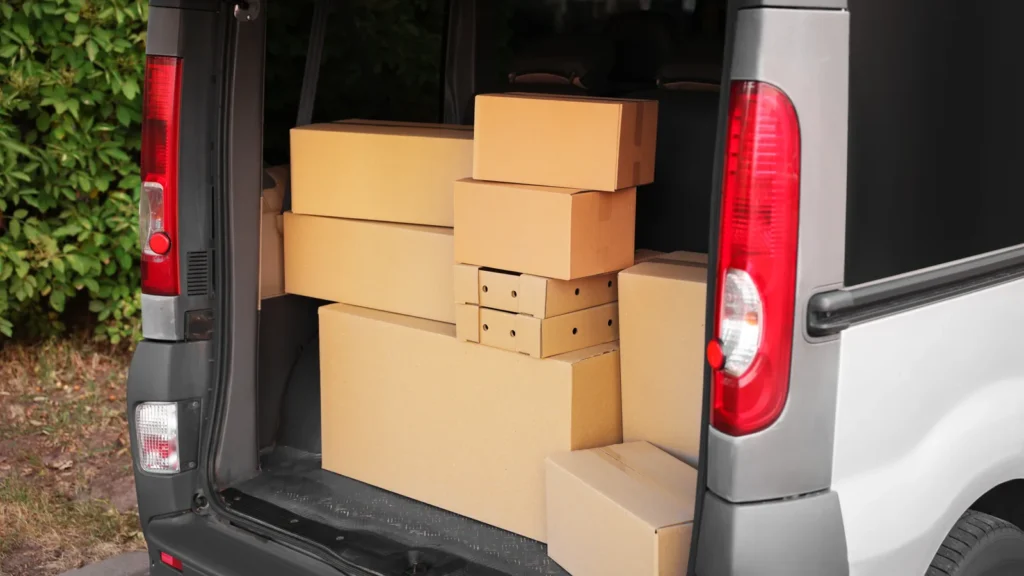
Short answer: A man with a van usually costs less than a two-person removalist crew for a small, light move that fits in one load and has easy access. Once the move includes heavy furniture, stairs or more than one van load, the gap narrows, because a two-person crew finishes faster and can carry what a solo operator cannot.
What each service actually includes
When booking a van in Australia, you’re booking a solo driver to help load and unload a cargo van for a short local move. It is expected that items are staged at the door, and you may be asked to help with lighter items.
When booking a removalist, you are booking a large truck with a two-person crew and the equipment and experience to efficiently move heavy furniture and appliances from multiple rooms, and load and unload everything without assistance.
| Solo van operator | Two-person removalist crew | |
|---|---|---|
| Crew | 1 person | 2 people |
| Vehicle | Cargo van | Removalist truck |
| Packing | You pack your own boxes | A packing service may be offered as a separate add-on |
| Heavy items (fridges, solid timber, mattresses, etc.) | May be declined at the door | Carried by the crew; white goods attract a per-item surcharge |
| Access to upper floors | Difficult with one person | Handled by the crew; stairs and multi-level access are priced into the quote |
| Best for | Studio or small one-bedroom flats | One-bedroom flats and above |
House removalists through the Urgent Pro network are matched to the job configuration before booking, so the crew size and vehicle type are set against what the job actually requires.
The right situation for a solo van operator
A solo operator is best for small moves where everything really does fit in the van, such as a studio flat with boxes and a bed frame, a single room move between suburbs, or a light item like a bike.
Most moves stay within one state. Of the people who changed address between 2016 and 2021, 87.0 per cent moved within the same state or territory and 10.9 per cent moved to a different state, according to Australian Bureau of Statistics 2021 Census data. Moves within one state are where the choice between a solo van operator and a removalist crew usually comes up.
The conditions for this kind of work to be appropriate for a solo operator are the following: everything can be done with a single load, everything can be carried by a single person, and access is straightforward for all parties involved.
What a solo operator typically cannot carry

This is where a booking and the job on the day can stop matching.
A standard upright fridge, a solid timber dining table, a full-size leather sofa and a double bed with a solid timber frame are each heavy and awkward to carry. Moving them safely, especially through doorways or on stairs, is not a single-person job.
Safe Work Australia’s hazardous manual tasks code treats lifting and carrying as tasks that can be hazardous, and says the risks must be assessed and managed.
That is why a two-person crew is the standard for most whole-property moves and for any item that needs a two-person lift.
A solo van operator who quoted assuming flat-pack furniture and boxes may decline to lift a bar fridge or a solid timber table on arrival. The result is a delayed move and items left behind. Undeclared items, stairs and access changes are a common reason a quoted move changes on the day, so list every heavy item and every flight of stairs when you ask for a quote.
The grey area: moves that could go either way
Some moves sit between the two. A one to two-bedroom flat with a full furniture set is genuinely borderline. A decision based on the number of bedrooms alone is not sufficient.
Typically access and weight combine to decide whether a move is viable. A one-bedroom flat with a lift and flat-pack furniture already loaded is borderline for a solo operator. The same one-bedroom flat with three flights of stairs and a solid timber wardrobe and a fridge is a two-person job no matter the size of the flat.
Four things to consider before making a decision:
- Is there anything that requires two people to carry safely?
- Is there lift access or are there stairs at either property?
- Will everything fit in one load or will it require multiple trips?
- Is there a lease handover that ties the move date?
If the answer to any of the first three questions is yes, then the booking should be for the two-person crew. If the move date is tied and cannot be moved, do not underpower the job to reduce the quote.
How removalist pricing works
Removalist pricing across the Urgent Pro network starts from $220, GST-inclusive, for a very small job such as a single item or a small partial move. Whole-property moves typically quote between $600 and $3,000 or more. The price moves with the volume of goods, the distance between addresses, the crew size, stairs and multi-level access, and specialist items such as white goods or a piano. These figures are indicative, and the price is confirmed in your written quote.
Most whole-property moves need a two-person crew, and large moves or difficult access can need three or more. Interstate moves are quoted separately. For more on those, see what an interstate move costs in Australia.
A two-person crew costs more per hour than one person, but it finishes a heavy load faster, so the gap between the two narrows as the furniture gets heavier. The full breakdown for one city is covered in what removalists cost in Perth.
Indicative prices for each service are set out in the Urgent Pro removals price list, and the written quote confirms the price before you commit to a booking.
What a state regulator has on record
Because the rates don’t tell the full story, it is worth thinking carefully before hiring an unverified operator.
In October 2020, Consumer Protection WA urged Perth residents to choose their removalist carefully after receiving about 40 complaints that year against a few rogue operators. The complaints covered damage to goods, late arrivals, untrained contractors, false claims of insurance, poorly equipped vehicles and pressure to pay before the job was finished. The Commissioner noted these problems were not common across the WA removalist industry.
Its advice was to get a written proposal that sets out an hourly rate or a fixed price, not to pay upfront, and to ask for a copy of the Certificate of Currency if insurance is included.
All verified independent providers on the Urgent Pro network carry their own public liability insurance. Other independent or informal operators may have some coverage, but it may be limited. Before booking a removalist, make sure you understand what public liability coverage applies, what transit cover is provided, and what the excess and claim limits are. A full explanation of how transit cover works for removalists sets out what to ask before signing anything.
Urgent Pro’s Removalist Service Warranty outlines the reporting windows and how to make a claim for damage from a job booked through Urgent Pro.
Selecting the right service based on move type
| Move type | Appropriate option |
|---|---|
| Studio or small one-bedroom flat, light items, local | Solo van operator, or a two-person crew |
| One to two-bedroom flat, full furniture | Two-person crew |
| Three to four-bedroom house, full furniture | Crew of three or more |
| Interstate | Interstate removalist, quoted separately |
| Specialist items | A provider equipped for the item, whatever the move size |
The Australian moving house checklist covers the entire move process from booking to moving day and what to do before the removalist crew arrives.
FAQs
Is a man with a van a cheaper option than a removalist?
For the really small moves, a man with a van will be the cheapest option. A solo van operator would charge less to move a small studio flat than a two-person removalist crew would charge for the same job. A two-person crew moves more items and heavier items in less time, especially when the move involves heavy furniture that a solo operator cannot handle. A larger crew may charge more per hour, but the total job cost may be similar to a solo operator if the job takes longer due to the weight or volume involved.
How much does a man with a van cost in Australia?
Removalist pricing on the Urgent Pro network starts from $220, GST-inclusive, for a very small job, and whole-property moves typically quote between $600 and $3,000 or more. A solo-provider booking, with one person and a smaller vehicle, is charged at the minimum rate. Volume, distance, crew size, stairs and access, and specialist items such as white goods all move the price. These figures are indicative, and the price is confirmed in your written quote.
What can a solo van operator typically not move?
Heavy items such as sofas, fridges, washing machines, solid timber furniture, and double bed bases with solid frames. Anything requiring two people to be safely manoeuvred up or down stairs. Items that require a specialist such as a piano or pool table. Moves where the total volume requires multiple trips and the time is restricted by a lease handover. Make sure to check what a provider can or cannot move before you book to avoid surprises on moving day.
How many people do I need for a move?
A solo operator can handle a small flat with light furniture and no heavy appliances. Most whole-property moves need a two-person crew, and large moves or difficult access can need three or more. Adding a person to a large move can dramatically decrease the time it takes, which can close or reverse the cost difference between the different service types.
Is my furniture insured with a van operator?
It depends on the operator. Consumer Protection WA has received complaints about Perth removalists falsely claiming to have insurance. Before booking, ask what public liability insurance applies, whether transit insurance exists, and what the limits and excess are. If public liability insurance is not in place or is inadequate, there is no assurance the removalist will pay for damages.