
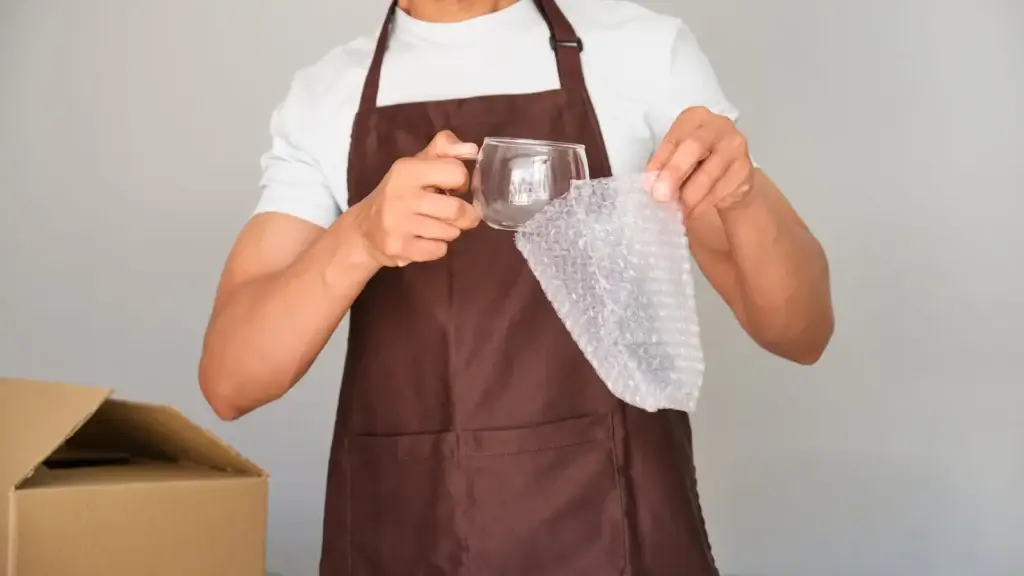
The damage to glassware during a move is more commonly attributable to packing than transportation. Many transit insurance policies restrict cover for boxes you pack yourself, because insurers cannot assess the protection provided to the contents. Glassware is a common damage item in feedback from moves booked through Urgent Pro, and the comments usually point to the packing. The most common packing variables that cause breakages are: using the wrong boxes; inadequate packing materials; and packing the glasses on their side.
Packing glassware right is important to protect both the glasses and the claim.
When you book house removalists verified through Urgent Pro, the booking can confirm a packing service, which alters the transit cover terms.
Use a double-wall (twin-cushion) carton for glassware. It is better than a single-wall box, and the extra cost is small next to the cost of a broken glass.
A glass divider insert creates individual compartments and reduces the number of sheets of paper needed per glass. The insert should fit the carton you buy. This is explained in the wrapping section below.
Check all moving cartons for damage before loading. A creased or torn carton wall means the structure has been compromised and the carton is no longer fit for purpose. Repurpose damaged cartons for clothing or linen, and use intact cartons for glassware.
Size the box to fit the contents with room for padding. A box that is too small cannot hold adequate padding when sealed. A box that is too large allows items to shift during transit. The right size means the box feels solidly heavy when packed, no item is touching the walls, and a gentle shake of the sealed box produces no movement.
What packing supplies actually cost
For one box of glassware you need three things: a double-wall carton, a glass divider insert that fits the carton, and kraft packing paper. Budget about $30 to $40 for one box of glassware. A roll of kraft paper usually goes well beyond one box.
Clean tea towels or cloth napkins can be used in place of packing paper for sturdy items like mugs and tumblers. These are not adequate for stemware or crystal.
Reinforcing the box
Always double-tape the bottom of every box you are packing, regardless of whether it contains glassware. Tape widthways along the flap seam, then tape lengthways across the centre. A collapsing box base is a more common source of breakage than rough handling by a removalist.
Wrap each glass individually in kraft paper. Newspaper ink transfers to glass and to the contents of other boxes. Use packing paper or butcher paper for any wrap that touches glass directly.
Wrapping: the technique that changes the outcome
Stemware and wine glasses
When packing stemware, start with the stem. Wrap it with a single sheet of packing paper, folding it over the stem like a splint. Most people skip this step. Without it, the stem of the wine glass is the most vulnerable point and the first thing to break. Then roll the base in a sheet of packing paper, rolling diagonally and tucking the paper into the bowl of the glass as you go, and secure the wrap with a piece of tape. Finally, pad the box and pack the glass upright.
About two to three sheets of paper are needed per wine glass when using cell dividers. Without cell dividers, three to five sheets are needed, because the paper has to compensate for the separation the cells would otherwise provide.
Champagne flutes
Because of their longer, thinner stems and smaller bowls, champagne flutes are more difficult to pack than standard wine glasses. Wrap the stem first, as with wine glasses. Then wrap the bowl with a minimum of two sheets of paper, paying special attention to the rim, which is the thinnest and most fragile part, and do a final roll of the entire glass. If no cell dividers are used, wrap each flute in a layer of bubble wrap after the paper roll is complete.
Tumblers and drinking glasses
One or two sheets of packing paper around each tumbler are fine when using cell dividers. Before wrapping, fill the inside of each tumbler with a loose wad of packing paper. This protects the glass from crushing and the walls from buckling if weight is placed on the box during transit.
Handled items
Wrap the handle of each item separately before wrapping the body. The handle absorbs a lot of force during handling and can break under relatively light contact. Fill the body of the item with a rolled-up sock or crumpled paper for padding, then wrap. Nest smaller mugs inside larger ones only if they fit without force and are separated with packing paper.
Order and orientation
Heavier items go at the bottom, lighter and more fragile items at the top. A heavy item on top will crush lighter fragile items regardless of how well they are wrapped.
Items must travel in the same orientation they are designed to be used in. This is not a preference in how you want your items handled. It is how the items are designed to be structurally sound. With glasses, packing on their sides concentrates load on the rim and bowl, which are the least structurally sound parts of the glass. Upright means the base takes the load, as the glass was designed to handle.
A layer of crumpled packing paper at least five centimetres thick in the bottom of the box cushions against shock if the box is set down heavily. Use more packing paper to fill any gaps between rows of glasses and all remaining empty spaces. A well-packed box of glasses should feel solid when lifted and produce no movement when gently shaken.
Labelling
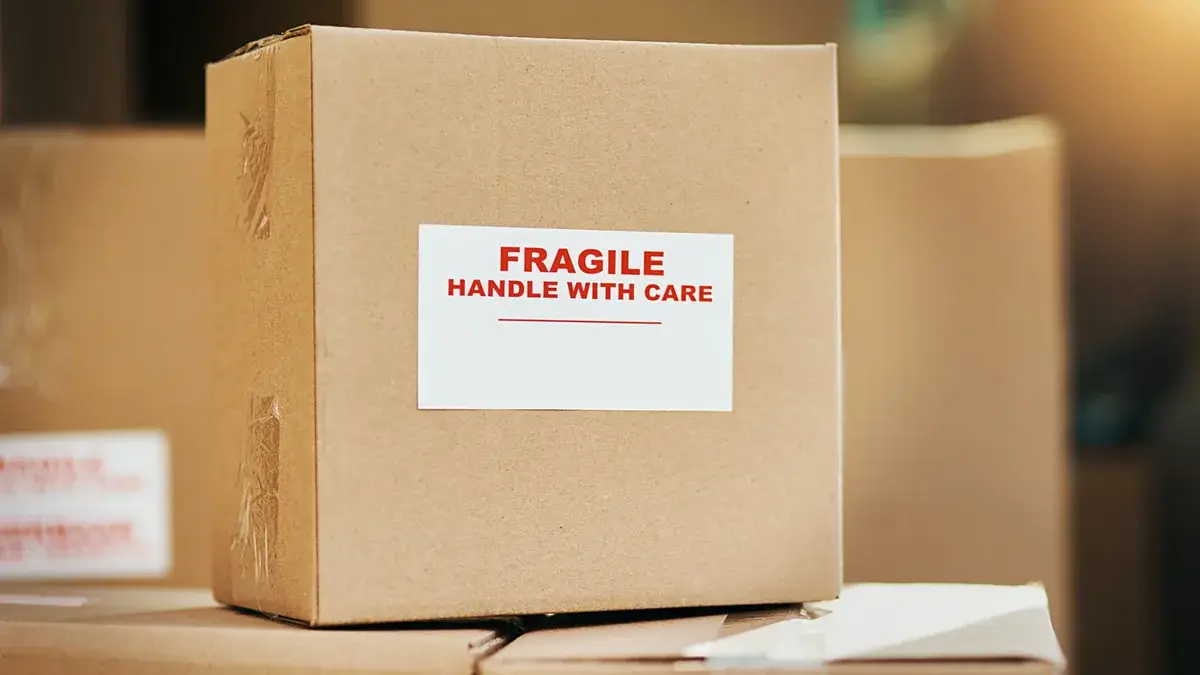
Write FRAGILE on all four sides and the top of all boxes containing glassware. Not just the top. A box that arrives on its side because of how it was stacked in the truck will not benefit from a label visible only from above. Write “THIS SIDE UP” on at least two sides with an arrow showing the correct orientation. Briefly note the contents on one side of the box. “8 wine glasses” or “6 champagne flutes” takes five seconds to write and tells the removalist, or you in three weeks when unpacking, that the box requires more care.
Loading the truck
All boxes of glassware should be loaded last. Position these boxes against a flat wall of the truck and load other boxes around them to provide cushioning and support.
Point out the glassware boxes to the removalists directly on moving day, even if they are clearly labelled. It takes thirty seconds and removes any ambiguity about which boxes need the most care during loading and stacking.
Know what your transit insurance covers and what it does not. Transit insurance is typically offered by the removalist, and both the costs and the terms vary between providers, so check your policy.
Many transit insurance policies restrict cover for boxes you pack yourself. Some only cover breakage in an owner-packed box if the carton itself shows visible external damage, because if the box arrives externally intact, the insurer cannot verify how the items were packed.
This is why a professional packing service is worth considering as an insurance decision, not just a convenience. If a removalist packs the items and something breaks during transit, the responsibility for the packing quality shifts to the removalist, and a standard claim is more straightforward. You can confirm professional packing service availability when booking your removalist through the Urgent Pro network.
If you are doing the packing yourself, photograph the contents before sealing each box and label each box with its contents. Read the product disclosure statement for any transit insurance you are considering, and ask the provider directly whether owner-packed boxes are covered and under what conditions.
How removalist insurance and transit cover work in Australia explains what standard and declared-value policies cover, what to check before signing, and the practical implications of owner-packed restrictions.
When is professional packing justified?
A professional packer can work through a full kitchen of glassware and fragile items in a fraction of the time it takes most people working alone. Beyond speed, professional packing means the removalist has verified the packing quality and the items are typically covered under standard transit terms, not the restricted owner-packed conditions.
The Australian Furniture Removers Association (AFRA) is a removalist industry association that audits its members on vehicles, equipment, training and insurance, and its members must carry public liability insurance. Its directory of accredited removalists is at afra.com.au.
The moving house checklist provides a time framework from six weeks out to moving day, including when to confirm a packing service and what to prepare before the truck arrives. For a detailed, room-by-room approach to packing everything else in the house, how to pack a house for moving covers furniture, clothing, electronics and books from bedroom to garage.
Frequently asked questions
What is the best way to move wine glasses?
To start, wrap the stem with packing paper to protect it, then roll the base in paper, tucking it into the bowl as you go. Use two to three sheets of paper when using cell dividers, or three to five sheets without. Pack glasses upright in a double-wall box with a five-centimetre base of crumpled paper and label the box fragile on all four sides and the top.
Should glasses be packed on their sides or upright?
Always pack glasses upright. Glasses are designed to carry load through the base. If they are packed on their sides, the load concentrates on the rim and the curves of the bowl, which are the weakest and most vulnerable parts of the glass. Wrap each glass individually and fill the inside cavity with crumpled paper to give it structure before wrapping.
Do removalists pack fragile items?
Some do for an additional cost. To have your fragile items professionally packed, book in advance and confirm what materials the provider will use. If the removalist packs the items and they are damaged in transit, the claim responsibility shifts to the removalist rather than to you. Confirm what transit cover applies to professionally packed items before moving day.
Does transit cover include glass breakage?
It can, if the glass was properly packed and the damage was caused by the removalist’s handling. Many transit insurance policies restrict cover for boxes you pack yourself, so check your policy. If the removalist is contracted to pack the items, standard cover typically applies. Read the product disclosure statement and ask the provider about owner-packed exclusions before you move.
What does it cost to pack glasses safely for a move?
You need a double-wall moving carton, a glass divider insert that fits it, and kraft packing paper. Budget about $30 to $40 for one box of glassware. Clean tea towels and socks work as free substitutes for sturdier glasses, but not for stemware or crystal.
Can I use newspaper to wrap glasses?
As an outer layer or gap filler only. Newspaper ink transfers directly onto glass surfaces and onto other items in the same box. Use packing paper, butcher paper or kraft paper for any wrap that touches the glass directly. Newspaper is acceptable as a filler between individually wrapped items.