
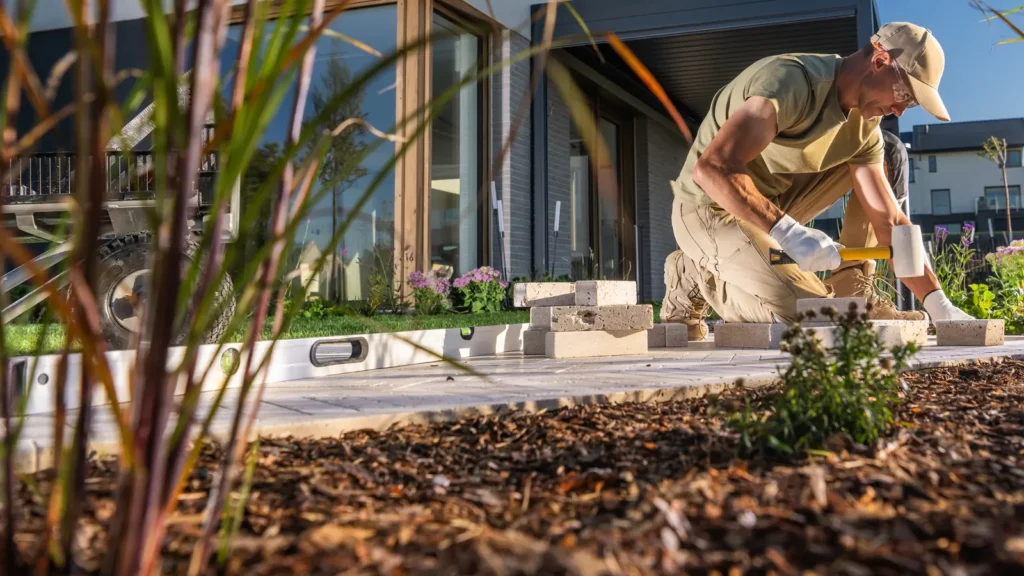
Mulching cost comes down to the area of the beds, the depth of the layer, the type of mulch, who supplies it and how much clearing is needed first. Depth depends on the mulch: Queensland Government guidance puts coarse mulch such as pine bark at more than 5 centimetres and fine mulch at around 2 centimetres, so the same beds can need very different volumes. Mulching is booked as a paid add-on to a garden visit, and your written quote confirms the price before work starts.
This guide covers what goes into a mulching quote, where mulching fits in a garden booking, and the basics of spreading and topping up mulch so the job lasts.
What Goes Into a Mulching Quote
Mulching is garden work rather than lawn work. It sits alongside pruning, hedging, weeding and garden bed maintenance, and it is booked as a paid add-on to a garden visit through lawn mowing and garden services. The mulch can be supplied by you or by the provider, and the work is carried out by verified independent providers.
Because garden work involves decisions about specific beds and plants, it needs a pre-work sign-off. Before the provider starts, you agree exactly which beds are to be done and what is to be cleared. That agreement can be recorded as photos you annotate, a checklist you both sign, or a confirmation on the booking platform. It protects you if the finished job does not match what you asked for.
The Variables That Change the Price
Bed Area and Depth
The total area of the beds, multiplied by the depth of the layer, gives the volume of mulch the job needs. More volume means more material and more time spreading it. Measuring your beds before you ask for a quote gives the provider a firm starting point.
The Mulch Itself, and Who Supplies It
Mulch can be customer-supplied or provider-supplied. If the provider supplies it, the material is part of the quote, so ask what type and depth the price assumes.
Bed Preparation
Weeds should come out before the mulch goes down. Hand weeding is a separate paid add-on, and the provider weeds in line with the pre-work sign-off, so it is clear which plants are weeds and which are staying.
Chemical weed control is different. Only certified providers can apply chemicals, and you must declare it at booking if you want weed control or fertilising done.
Old Material, Soil, Rocks and Cuttings
Removing dead plant matter is not included in garden work unless it is specifically booked. The same applies to taking cuttings away: removal of cuttings off-site is an add-on, so ask whether green waste is staying on site or leaving with the provider.
If soil or rocks need to be removed to make room for mulch, that removal is priced separately.
Where Mulching Fits in a Garden Booking
A standard lawn mowing visit covers the front, back and side lawns, edging along driveways, paths, garden beds and fence lines, a blow-down of hard surfaces, and clippings left on the lawn or bagged and taken if you ask. Mulching is not part of it. Garden bed tidying is variation scope, and mulching is added to a garden visit as a paid add-on.
A mulching add-on is quoted separately, based on the variables above, and the written quote confirms the price before work starts. For how mowing on its own is priced, see the guide to what lawn mowing costs by lawn size.
If the scope changes on the day, the variation approval limits apply. Urgent Pro may approve up to $50 without contacting you, $50 to $200 needs your approval by phone, SMS or email, and anything over $200 needs your written approval. The price list for each Urgent Pro service shows how the other services are priced.
Choosing a Mulch
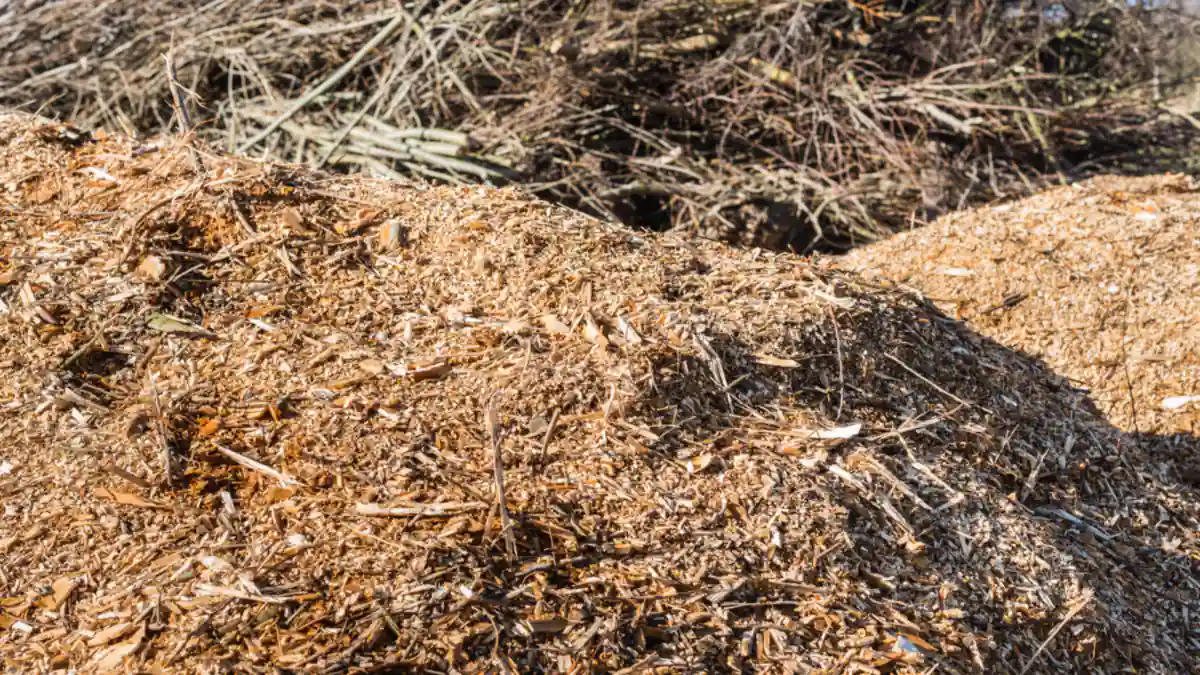
The type of mulch changes how often it needs topping up and what it does for the soil. The Queensland Government’s guide to mulching a water-efficient garden explains that mulch saves water by reducing evaporation and run-off, and depending on the type, it limits weed growth and can improve the soil by adding nutrients.
The main differences between types:
- Organic mulch, such as sugar cane, grass clippings, leaves or pine bark, breaks down over time and improves the soil. It needs topping up regularly.
- Coarse organic mulch lets water soak in more easily and is good for reducing weeds and keeping the soil cool, but it does not improve the soil’s texture because it does not break down readily.
- Fine organic mulch, such as grass clippings, improves soil texture as it breaks down, but it compacts more easily and needs loosening regularly so water can get through.
- Inorganic mulch, such as rocks and pebbles, reduces evaporation but does not improve the soil.
How Thick Should Mulch Be?
The Queensland guide ties the right depth to the size of the pieces. Large chunks such as pine bark need a deeper layer, more than 5 centimetres. Fine mulch compacts more easily, so it goes on thinner, at around 2 centimetres.
Keep mulch about 6 to 7 centimetres clear of plant stems, or the stems may rot. Preparing the bed first helps too: remove weeds, rake or dig the surface, and water the remaining plants before the mulch goes down.
How Often Mulch Needs Topping Up
Organic mulch needs topping up regularly, preferably in autumn and spring. As it breaks down, it can draw nitrogen from the soil. Yellowing of the lower leaves is the usual sign, and a nitrogen-rich fertiliser helps if it appears.
Mulching fits into the wider seasonal routine for a garden, and the seasonal garden jobs by climate zone show where it sits alongside pruning, weeding and lawn care in each climate zone.
Getting an Accurate Quote
The more the provider knows before the visit, the closer the quote will be to the final price. When you book, include:
- the approximate area of each bed, and the depth you want
- whether you are supplying the mulch, and if not, the type you want
- whether old mulch, weeds, soil or rocks need clearing first
- whether cuttings and old material should be taken away
- photos of the beds, which also help with the pre-work sign-off
FAQs
How much does it cost to mulch a garden?
It depends on the area of the beds, the depth of the layer, the type of mulch, whether you or the provider supplies it, and how much clearing is needed first. Mulching is booked as a paid add-on to a garden visit, and your written quote confirms the price before work starts.
Is mulching part of garden tidy-up?
Only if you book it. Mulching is not part of a standard lawn mowing visit. It is garden work, added to a garden visit as a paid add-on, and it needs a pre-work sign-off on which beds are to be done.
How thick should mulch be?
It depends on the size of the pieces. Coarse mulch such as pine bark needs a layer deeper than 5 centimetres, while fine mulch goes on at around 2 centimetres. Keep mulch about 6 to 7 centimetres clear of plant stems so they do not rot.
How often does mulch need replacing?
Organic mulch breaks down over time and needs topping up regularly, preferably in autumn and spring. Watch for yellowing lower leaves as it breaks down, which can be a sign it is drawing nitrogen from the soil.