
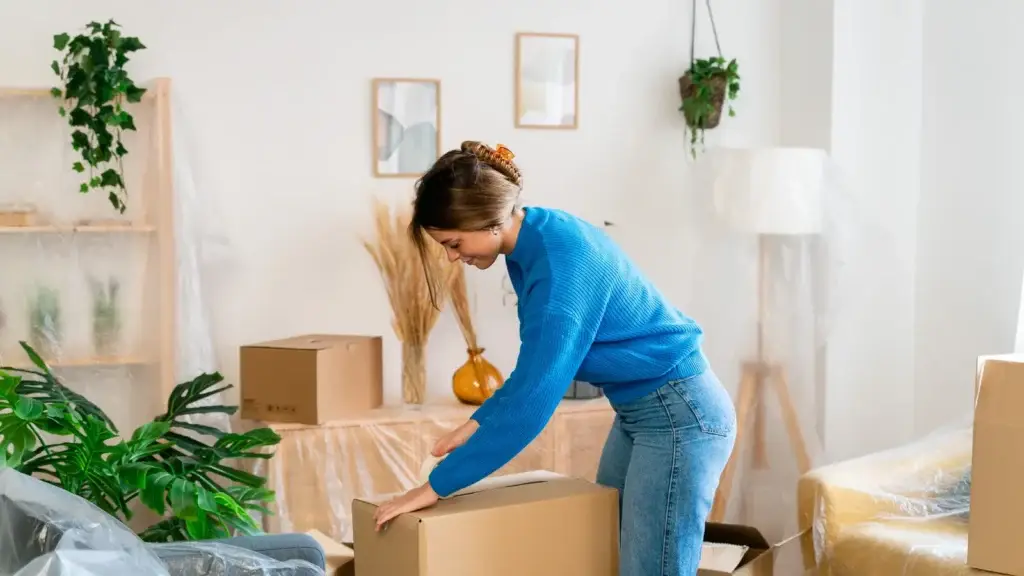
Breaking a plate during a move is fairly easy to recover from. Sealing a box without understanding who is responsible for its contents is another matter. When the crew seals a box, they take responsibility for everything inside it. When you seal a box yourself, that responsibility stays with you. Understanding where that line sits helps you avoid damage claims that go nowhere and a moving day that unravels at the last minute.
You will pack the majority of boxes yourself. The removalist crew is responsible for a smaller portion. Knowing where the handover point sits helps you protect the things that matter most.
You should start packing three to four weeks before your move date. Pack the things you use the least first. Seal and label each box before moving on to the next. Take personal items of value with you in the car. The crew handles the large items. You are responsible for what you seal.
Here is a general schedule for the weeks leading up to the move:
- 3 to 4 weeks out: Declutter and begin gathering moving supplies.
- 2 to 3 weeks out: Pack the rooms used the least.
- 1 week out: Pack the bedrooms, living room and non-essential kitchen items.
- Final 2 days: Complete last-minute kitchen prep (defrost, drain) and pack remaining essentials.
- Moving day: Keep one essentials bag per person with you. Do not let the removalists load it onto the truck.
The week-by-week moving house checklist covers each stage from eight weeks out, including what to organise with your building manager, utilities and Australia Post before moving day.
You Are Responsible for the Contents of the Boxes You Seal
Removalist services can provide a high level of care and protection during a move, but it is worth understanding the limits of that cover. The public liability insurance that house removalists booked through Urgent Pro carry, a minimum of $10 million, covers property damage the crew causes through negligence during the move. It does not cover damage that results from inadequate packing on your part. Goods-in-Transit insurance is a separate, optional policy that covers non-negligent loss such as accident, fire or theft; taking it out is a decision for you, not something every provider carries automatically.
The key rule is this: if something breaks because of a packing failure, the provider is not liable. If something breaks because of mishandling by the crew, they are.
Two practical rules follow from this. For valuable or irreplaceable items, pay the add-on to have the removalists pack them. The labour cost shifts the liability to where it should be. For everything else you pack yourself, do it so that nothing inside the box can move when you shake it. Fill every void, pad all six sides, and put heavy items at the bottom.
All providers who meet AFRA’s minimum standards for removalist providers must carry at least $10 million in public liability insurance. Ask whether the provider also offers Goods-in-Transit cover, a separate optional policy, and confirm both at the time of booking so you have a clear record of what applies to your move.
Removing items you do not need before the move reduces what has to be packed, shifted and unpacked. Decide what you do not want and arrange for it to go before moving day. Most items can be donated, sold online or left out for council collection. For large bulky items, booking a rubbish removal before packing starts gives you enough lead time to clear the property before the crew arrives.
Measuring doorways, stairways and passages tells you what will and will not fit through. A sofa that passes easily through one front door may not make it through another. Know the measurements before moving day, not while the crew is already carrying it.
Room-by-Room Packing Guide
Before you start packing, decide which rooms you will tackle first. These tips will help you work through the house in the right order.
Storage Rooms
Clear the storage rooms and attic first. These hold the most infrequently used items and can be packed earliest without disrupting daily life.
Kitchen
The kitchen is the last room to pack because you need it until close to moving day.
Starting two weeks before, remove items you do not use often: extra pots and pans, baking equipment, and anything that lives at the back of a cupboard. Leave everyday crockery and cookware until the final 48 hours.
When packing dishes, stand them on their edges rather than flat. A flat-stacked plate transfers impact through the whole stack. A plate standing on its edge distributes it. Wrap each one individually in packing paper before packing it. Do not overfill boxes. Each one should be easy for one person to carry safely.
Label all four sides of every kitchen box. “Kitchen, fragile, this side up” is far more useful than “Kitchen” alone. Boxes get stacked and turned in transit. A label on the top alone is invisible half the time.
The fridge needs to be defrosted and drained at least 24 hours before the move. Moving a fridge while it is still cold and pooling water creates a handling risk and a hygiene problem on arrival.
The removalist crew will protect the larger furniture items during the move. Before the truck arrives, photograph the cable setup behind your television and entertainment unit. This saves significant time reconnecting everything at the other end. Label each cable individually as you remove it so there is no guesswork later.
When packing books, use small boxes with the spines facing down. A box of books packed with the spines facing outward can buckle while it is being carried.
TVs
Television screens should be packed in their original packaging or a purpose-made TV moving box. A screen should never be transported flat. It travels on its edge, well padded on both faces. Frames and mirrors should also be wrapped individually and transported on their edges.
Bedrooms
Out-of-season clothes can be packed two to three weeks before the move. Leave the clothing you are still wearing until the final days. For hanging garments, a wardrobe box lets clothes stay on hangers during the move and arrive without creasing. Check whether the provider includes these or whether they are a paid add-on.
#### Beds
When disassembling a bed frame, secure all screws and hardware in a labelled zip-lock bag and tape it directly to the headboard or base. Apply the same rule to every piece of furniture being disassembled: hardware travels attached to the piece it came from, not loose in a separate container.
#### Bedding
To reduce bulk and protect fabric, pack pillows and cushions in vacuum storage bags.
Bathrooms and Laundry
Secure the lid on every bottle before boxing it. Place all liquids inside a sealed zip-lock bag inside the box. One lid that comes loose in transit can damage everything around it.
Medications should travel with you, not on the truck. Towels and spare linen work well as packing material for fragile items and reduce how much bubble wrap you need.
The washing machine needs to be drained and disconnected from water and electrical supplies at least 24 hours before the move. If transit bolts are available, use them to secure the drum. If not, let the removalist know at the time of booking. A drum moved without restraint can suffer internal damage, and that is not something the crew caused.
Garage, Shed and Outdoor Areas
Garages and sheds take longer than expected, particularly in properties that have accumulated tools, chemicals and equipment over the years.
There are certain items that cannot legally go on a removalist truck. The full list of what removalists won’t take and why covers each restricted category and what to do with it. The short version: empty and full gas cylinders, paint, flammable liquids, pool chemicals and aerosol sprays cannot be loaded.
This is not a policy decision. It is a legal requirement on the vehicle and driver. The National Heavy Vehicle Regulator sets the national framework for dangerous goods on Australian roads, and state transport authorities administer and enforce the rules locally. Dangerous goods must be disposed of before the move. LPG bottles can be exchanged at most service stations and hardware stores. Most capital city councils run quarterly hazardous waste drop-off programs.
Garden equipment with a petrol motor must be fully drained of fuel before loading. Most removalists will not transport potentially invasive plants. These travel in the car.
Hand tools can go in small to medium boxes with any sharp edges individually wrapped or sheathed.
What to Take With You
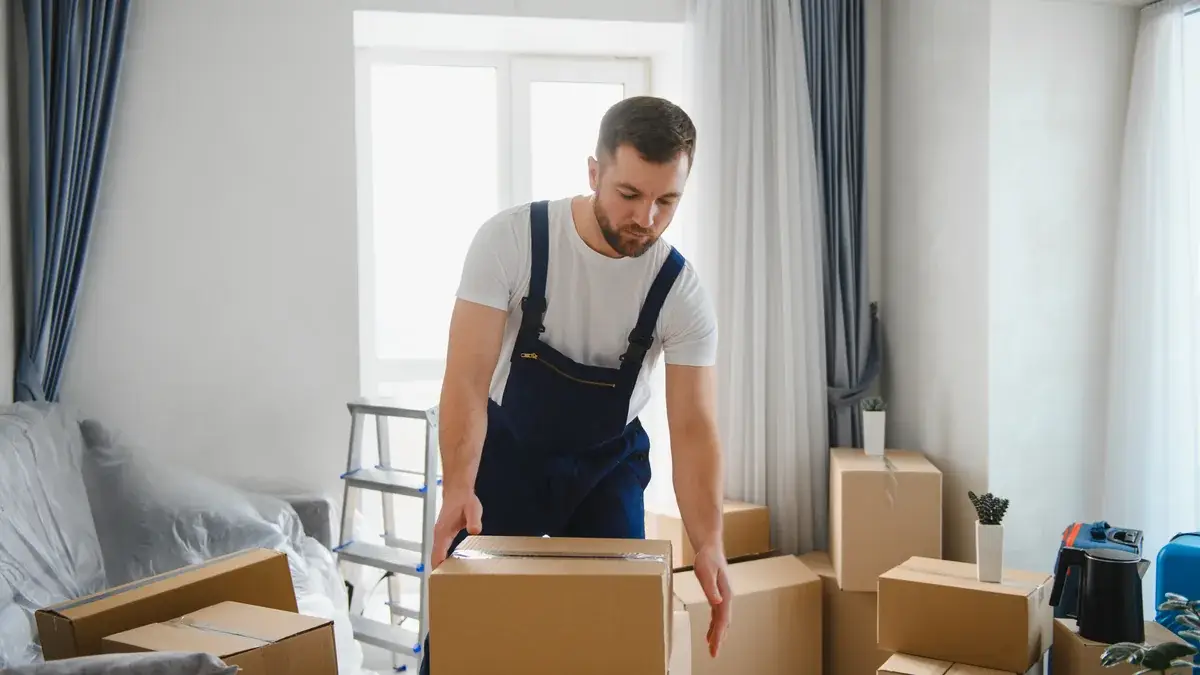
Some things should not go on the truck, no matter how carefully they are packed.
Jewellery, watches and other valuables. Passports, birth certificates, visa documents and other official records. Prescription medications. Any item of significant financial or sentimental value that cannot be replaced.
Most goods-in-transit insurance policies carry sublimits or exclusions for high-value items. For items of significant value, ask about an agreed-value endorsement at the time of booking to ensure they are properly covered.
Labelling Your Boxes
Write the destination room in full on all four sides of every box. The crew reads the sides of boxes as they unload the truck. Abbreviations lead to boxes in the wrong room.
Mark fragile items as such on all sides, not just the lid. A fragile label on the top alone is useless if the box is stacked sideways or placed upside down during transit.
When noting the contents, write the most important item first.
Essential Items Box
Set one box aside that does not go on the truck, or goes on last and comes off first. This is the first box opened at the new property.
It should include: a kettle, mugs, tea or coffee and long-life milk, water, snacks, phone chargers, toilet paper, hand soap and basic toiletries, towels, a change of clothes for each person, bed linen, any medications, and a first aid kit. Add packing tape and a marker in case anything needs to be reboxed at the destination.
Make sure this box is clearly labelled and kept with you or accessible throughout the move.
In addition to transporting your belongings, the removalists bring blankets, straps and shrink wrap for furniture. Most bookings include basic disassembly and reassembly of beds and standard wardrobes. If you need specialty items such as a piano or pool table moved, declare this at the time of booking. An item discovered on the day that was not in the quote may result in a Variation to the price, or in some cases the crew being unable to move it safely without the right equipment. The full range of removalist services available through Urgent Pro includes packing and unpacking add-ons and specialty item handling.
You can get a quote from house removalists in your city based on your actual volume, access and distance.
Once the Property Is Vacant
For the sequence for moving and cleaning when you’re doing both in the same weekend, see our dedicated guide.
A vacant property brings two immediate concerns: the exit inspection, and whether the property is clean enough to avoid a dispute over the bond.
For the practical steps to take before the agent walks through, see what property managers check at a final inspection.
For the cleaning itself, the case for a professional clean covers what agents are actually looking for and when hiring a professional outweighs attempting it yourself.
FAQs
How far in advance should you start packing for a move?
Start three to four weeks out for a standard three-bedroom home. Pack infrequently used rooms first and leave the kitchen and bathrooms until the final 48 hours. Larger homes or households with children will need closer to six weeks.
Should you pack your own boxes or let the removalists do it?
Self-packing is fine for general household items. For anything fragile, valuable or irreplaceable, paying for the professional packing add-on shifts the liability to the provider. Damage inside a box you packed yourself is not covered unless the crew mishandled it.
What should go in the essentials box?
A kettle, mugs, tea or coffee, water, snacks, phone chargers, toilet paper, soap, towels, a change of clothes for each person, bed linen, medications and a basic first aid kit. Keep it with you or make sure it comes off the truck first.
How do you pack fragile items for a move?
Wrap each item individually in packing paper. Pack plates on their edges, not flat. Fill every void so nothing shifts inside the sealed box. Mark all sides and the top as fragile and use double-walled boxes for anything genuinely breakable.
What is the best order to pack rooms when moving house?
Start with storage rooms and attics, then guest bedrooms and the living room. Leave the kitchen and main bathrooms until the final 48 hours before moving day.
What cannot go on the removalist truck?
Hazardous materials including gas cylinders, paint, flammable liquids and pool chemicals cannot legally be loaded. Valuables, important documents, prescription medications, perishable food and pot plants should travel with you.