
Tenants can generally handle small, low-risk jobs such as changing a light globe or tightening a door handle, but electrical, gas and most plumbing work needs a licensed tradesperson in every state. Between the two sits a grey zone that depends on your state and your lease, and getting it wrong can cost you your bond.
There is no single national law that lists the repairs a tenant may make. The limits come from trade licensing rules on one side and your lease and state tenancy law on the other. If a tenant does work that legally requires a licence and damage results, the landlord can rely on that when claiming against the bond, even if the tenant believed the repair was theirs to arrange.
Tell the property manager before you do anything that affects the fabric of the property, such as repairing a wall or re-sealing a bathroom, and keep a copy of what you sent. Routine jobs, such as replacing a light globe, usually need no notice.
Why the Licensed Trade Boundary Matters
Trade licensing is set by each state and territory, and it exists for public safety. Defective electrical, gas and plumbing work can cause fires, gas leaks and injuries, often long after the job is done. Being responsible for a repair does not make you authorised to do it yourself when it needs a licence.
Providers on Urgent Pro’s handyman network can carry out non-licensed repairs before the final inspection across Brisbane, Perth, Sydney, Melbourne and the Gold Coast. The handyman cost and scope guide sets out what is in scope and what is not.
Category 1: Repairs Tenants Can Usually Carry Out Themselves
Category 1 repairs are ones most tenants can do. They do not need a licensed tradesperson and are not a safety concern if done carefully. Check your lease first, since some ask for notice.
Replacing light bulbs and globes is considered standard tenant maintenance. Replacing light bulbs and globes is not licensed trade work and does not require the services of a licensed tradesperson. When replacing a light bulb and the fixture becomes hot, check the wattage to make sure the replacement bulb does not exceed the fixture’s rating.
Minor wall repairs. Filling small nail or picture hook holes with filler is a job many tenants do. Report anything larger to the property manager. For what agents check at the end of a tenancy, see the final inspection standards agents use.
Blocked sinks. For a clogged bathroom or kitchen sink, start with a plunger, which clears most blockages. For anything deeper in the drain, contact the property manager. Check your lease before using chemical drain cleaners, because they can damage pipes and you could be held responsible.
Squeaky floorboards. In older homes, if floorboards are squeaking, talcum powder or powdered graphite may stop the squeak. Otherwise, contact the property manager. Replacing and securing the boards may be required, and doing so incorrectly may damage the floor.
Cabinet hardware. Tightening hardware with a screwdriver should allow the hardware to function properly. Delaminating or cracked cabinet doors, worn or broken hinges, or worn drawer slides should be reported to the property manager for repair or replacement.
Adjusting doors or windows is generally the tenant’s responsibility. Use basic tools and do not modify hinges or frames.
Replacing fly screens is considered part of a tenant’s responsibility. It is a low-cost repair to carry out before the final inspection.
Re-sealing bathroom silicone is tenant-level work under many leases. It takes some care but no licence, it is low cost, and it improves how the bathroom looks at the final inspection.
Category 2: Repairs That Always Require a Licensed Tradesperson

Safe Work Australia publishes national work health and safety guidance, but licensing for electrical, gas and plumbing work is set by each state and territory. Across the country, the following repairs need a licensed tradesperson and a tenant should not attempt them.
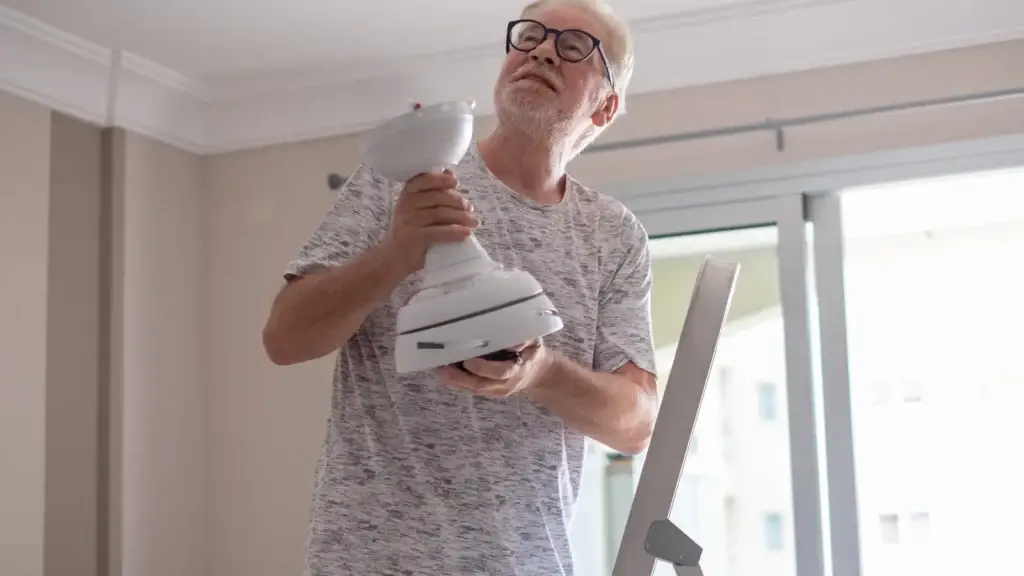
Electrical work. Replacing switches, power points and hardwired fittings such as a ceiling fan or light fitting requires a licensed electrician. Replacing a light globe does not. A job can look simple and still be illegal for an unlicensed person to do.
Gas fittings of any description require a licensed gas fitter. Restricted activities include the connection or disconnection of a gas cooktop, the servicing of a gas hot water system, and the investigation of the cause of a gas smell.
Plumbing. Repairing or replacing a hot water system, removing a toilet and work on pipes generally need a licensed plumber. Ask the property manager before you do anything beyond a plunger or a simple fixture adjustment.
Structural work and the alteration of electrical fittings are also restricted to licensed persons.
Asbestos removal. Properties built before 1990 may contain asbestos in wall sheeting, roof tiles, floor tiles, or pipe lagging. Any material suspected of containing asbestos must not be drilled, cut, sanded or removed without appropriate licensed removal. The Asbestos Safety and Eradication Agency provides national guidance on identification and safe management. Even minor disturbance of intact asbestos-containing material without appropriate protection is a serious health risk.
Category 3: The Grey Zone
Some repair activities may be restricted depending on the state, the property and the lease.
Painting. Some landlords agree to tenants painting a dwelling, provided the tenant does not select a vivid new colour. Some leases state that tenants can paint over an area the size of a hand or carry out minor touch-ups. Certain landlords require written authorisation before any painting. Touch-up paint jobs carry a genuine risk: the paint code for the property may have been discontinued, making an exact colour match impossible. If a tenant paints over a wall colour and the result does not match, the tenant may be obligated to repaint the entire wall. The safest approach is to contact the property manager and seek approval before engaging in any painting activity.
Replacing a broken ceramic tile is a relatively simple task, but its outcome may be governed by the terms of the lease. In some instances, a broken tile may be preferable to a poorly aligned and unattractive replacement.
Tap washers and cartridges. Replacing a tap washer is simple, but whether a tenant may do it depends on your state’s plumbing rules and your lease. Cartridges may need a licensed plumber in some jurisdictions. Ask the property manager for approval first.
Smoke alarm batteries. Who replaces them depends on the state, the type of alarm and your lease. If you cannot see how to reach the battery, the alarm may be hardwired, so contact the property manager.
What to Do If You Are Not Sure
If something is raised at the final inspection, a record of a repair you made during the tenancy may help you show what you did and when. Keep a brief written record for any Category 1 repair you carry out yourself: what you did, when, and why. For who is responsible for which repair in each state, see the state-by-state repair responsibilities.
Urgent repairs have their own rules in each state. Where a defect affects health or safety and the landlord does not act within the required time, a tenant may be able to arrange the repair and recover the cost. The RTA’s urgent repairs guidance covers Queensland, and Consumer Protection WA, NSW Fair Trading and Consumer Affairs Victoria publish equivalent guidance for their states.
A repair dispute that comes out of the exit report is decided under your state’s tenancy law. If it involves a repair or service you paid a provider for, your Australian Consumer Law rights apply alongside Urgent Pro’s warranty.
For non-licensed repairs ahead of a final inspection, find a handyman service in your area across all five cities.
For the cleaning scope that sits alongside repairs, see vacate and end of lease cleaning, which sets out what is included and excluded.
FAQs
Can a tenant clear a blocked drain?
A plunger is usually fine for a clog near the drain. For anything deeper, or anything involving the P-trap, contact the property manager first. Avoid chemical drain cleaners unless the landlord agrees, because damage to pipes may be charged to you.
Who pays for repairs at the end of a tenancy?
It depends on the cause. Tenants are usually responsible for any damage they caused, whether intentional or accidental. Fair wear and tear is generally the landlord’s responsibility. If damage beyond fair wear and tear has occurred, the cost may be deducted from the bond. State tenancy laws set the timeframes within which landlords must carry out repairs. If the landlord is acting within those timeframes, a tenant generally cannot arrange the repair and charge the landlord.
Can a tenant re-grout a bathroom?
Small re-sealing and re-grouting jobs are often treated as tenant-level work, but check your lease and ask the property manager first. Matching the existing colour can be difficult, so a poor match can leave the bathroom looking worse than before.
Can Urgent Pro handyman providers carry out repairs before I vacate?
Yes. Providers on the Urgent Pro handyman network can carry out common non-licensed repairs before you vacate, including minor wall repairs, re-grouting, re-sealing, and fly screen repair and replacement. The handyman cost and scope guide covers pricing and scope.