
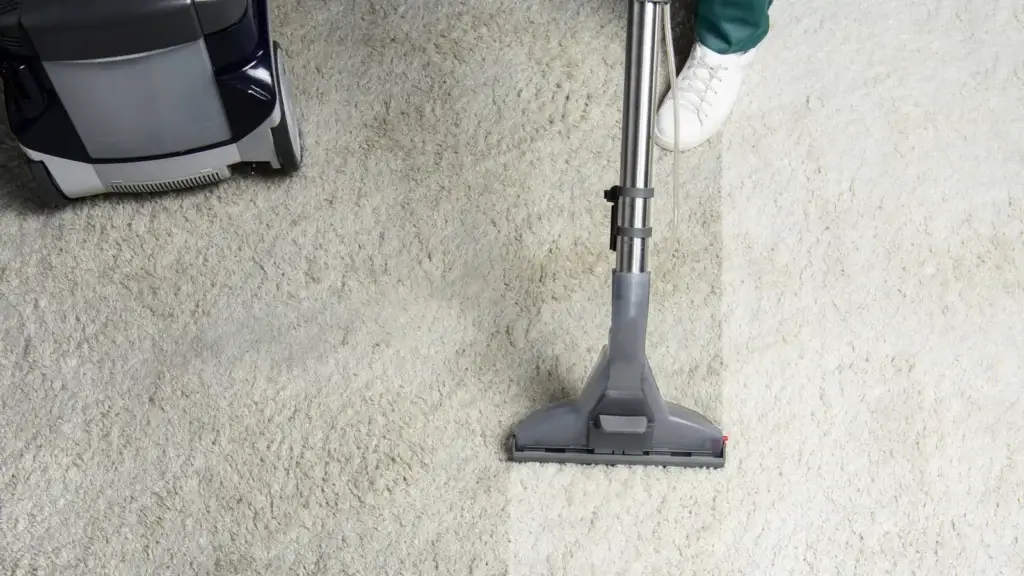
Most websites will tell you that carpets need to be professionally cleaned every 12 to 18 months. That answer is likely to mislead most people because it does not take into account several factors specific to your home: the type of fibres in the carpet, the number of people living there, whether you have pets, which room you are actually asking about, and whether you are renting.
To truly answer this question, you need to consider several household-specific variables. This is especially true for renters, because the standard expected at a final inspection takes precedence over any cleaning schedule you have been keeping.
The Short Answer
If your household has no pets and no one suffers from allergies, having your carpets professionally cleaned by Urgent Pro every 12 to 18 months should keep them in good condition. If you do have pets, allergy sufferers, a large household, or carpets that get heavy use, every 6 to 12 months is more appropriate. For renters approaching the end of a lease, the condition of the carpet at final inspection is what matters, not how recently it was cleaned.
The Truth About Vacuuming
Carpets have fibres that trap dirt, pollen, mould, dander, and other small particles. Over time, those particles build up to a point where vacuuming cannot remove them. While regular vacuuming removes loose material from the surface of the carpet fibres, it cannot reach particles that have embedded deeper in the pile or penetrated the underlay. Each time someone walks across a carpet, those embedded particles are pushed further down, making them progressively harder to remove.
A HEPA-filtered vacuum captures particles as small as 0.3 microns and traps them rather than blowing them back into the air. The Australasian Society of Clinical Immunology and Allergy (ASCIA) recommends HEPA vacuuming as a practical way to manage dust mite allergens in the home. Even so, no vacuum reaches allergens embedded as deeply as professional hot-water extraction does.
Think of vacuuming as the maintenance that keeps professional cleaning affordable. A carpet that has been vacuumed regularly between cleans stays within standard pricing. One that has gone years without vacuuming often needs a pre-treatment charge for heavy soiling on top of the base clean cost.
Five key variables determine how often your carpet needs professional attention.
1. Household Size and Foot Traffic
A single person in a two-bedroom unit generates far less soiling than a family of four with regular visitors. More people means more dirt tracked in, more particles settling into the pile, and faster wear. Shared houses with four or more residents wear their carpets noticeably faster than smaller households.
| Household | Recommended frequency |
|---|---|
| Single occupant, light use | Every 18 months |
| Couple, no children or pets | Every 12 to 18 months |
| Family with children | Every 9 to 12 months |
| Share house, 4 or more residents | Every 6 to 9 months |
2. Pets
Pets change the equation more than any other single factor. Dander from cats and dogs embeds in carpet fibres at a level vacuuming cannot reach. Pet hair compresses into the base of the pile over time and, along with other dirt and allergens, builds up in the fibre backing. Dog and cat urine penetrates through the carpet and into the underlay, where it crystallises and creates odour that intensifies in warm weather.
For a household with one pet, every 6 to 12 months is the practical cleaning standard. If there are multiple pets, or a dog that regularly comes inside wet, every 6 months is the appropriate schedule regardless of how the carpet looks.
For renters with pets, it is common for carpets to fail a final inspection because of pet urine odour. This odour is often undetectable in cooler weather but becomes very apparent once the property is vacant and the sun heats the floor. For a detailed look at what happens with pet-affected carpet and how it is treated professionally, see the guide on removing pet stains and odour from carpet.
3. Allergies and Asthma
For families where someone has an allergy or asthma condition, the carpet functions as a respiratory filter. Carpet fibres collect dust mite waste, pollen, and other allergens and release them back into the air every time the carpet is disturbed. ASCIA recommends reducing allergen exposure in the home as part of managing allergy and asthma alongside medical treatment.
Allergy and asthma households should have their carpets professionally cleaned every 6 months, with HEPA vacuuming in between. The allergens and triggers embedded in carpet fibres cannot be adequately removed by home methods alone. That includes hired shampoo machines, and how shampooing differs from professional extraction explains why. Hot-water extraction is the most effective approach for allergen removal. For a comparison of carpet cleaning methods and their effects on allergens, see the post on which carpet cleaning method suits your carpet type.
4. Fibre Type
All carpet types accumulate soil over time. The difference is in how the fibres hold it. Natural fibres such as wool become soiled more easily, set stains faster, and show wear from cleaning more readily than synthetic alternatives.
Synthetic fibres including nylon, polyester, and polypropylene are more resistant to staining and tolerate cleaning better. If your carpet is wool or a natural-fibre blend and has not been professionally cleaned in over 12 months, it is at increased risk of permanent staining. Always identify the fibre type when booking. A technician who arrives expecting a synthetic carpet and finds wool needs different products and lower water temperatures. Getting it wrong is a common source of accidental damage.
5. Which Room You Are Talking About
Not every carpeted area in a home experiences the same level of use. Treating all rooms on the same schedule leads to over-servicing some areas and neglecting others.
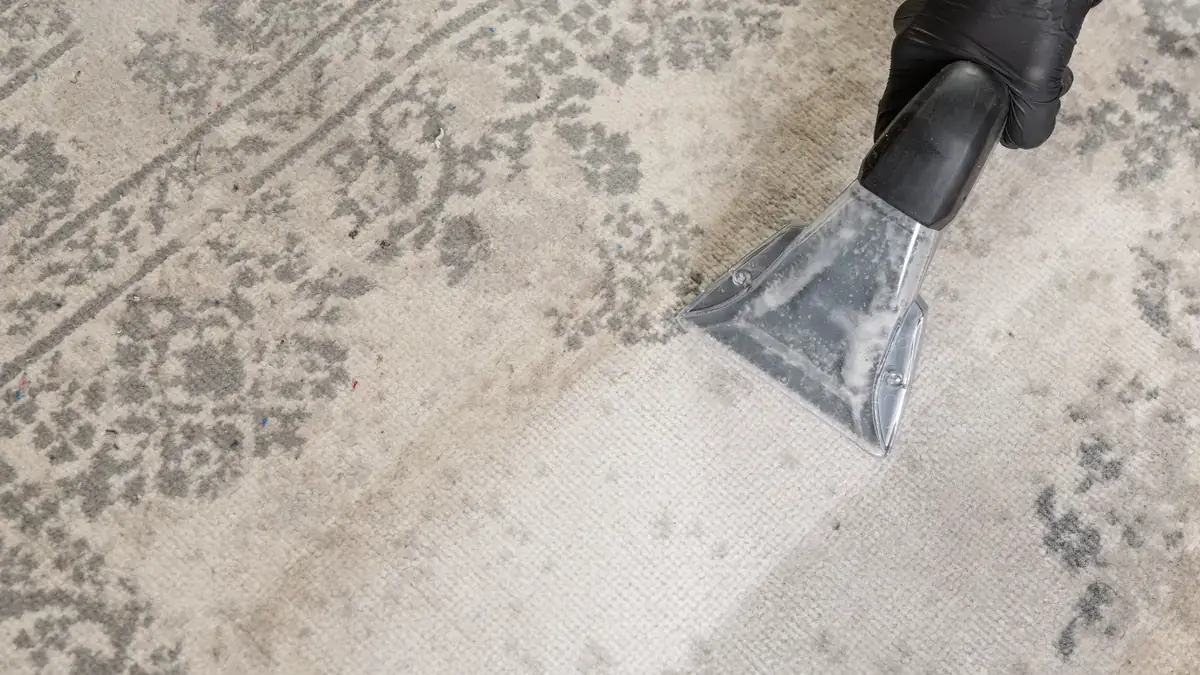
| Area | Use level | Notes |
|---|---|---|
| Entry, hallway, stairs | Heaviest | Every footstep passes through; shows soiling and wear fastest |
| Lounge and living areas | High | The main driver of the cleaning schedule for most households |
| Bedrooms | Moderate to low | Can extend slightly beyond the living area schedule |
| Home office | Variable | Working from home full-time produces lounge-level wear |
Hallways and stairs compress foot traffic into a narrow space and accumulate soiling fastest. In pet and family households, stairs often need attention between full-property cleans.
Signs It Is Time to Book Before Your Schedule
Sometimes the condition of the carpet tells you it needs attention before the calendar does. Consider booking a professional clean sooner if any of the following apply:
- A freshly vacuumed carpet no longer smells fresh
- Spot-treated stains keep coming back once the area dries
- Rooms have an odour that ventilation does not clear
- Colours look dull or flat compared to less-used areas
- There are visible traffic lines or flattened fibres in high-use zones
- You cannot remember when the carpet was last professionally cleaned
- A pet has had repeated accidents in the same spot
Reappearing stains are one of the clearest indicators. Spot treatment lifts the visible mark, but the residue left in the fibre can wick back to the surface as the carpet dries. That cycle only stops when professional extraction removes the source completely.
The Tenancy Override
Renters operate under a different set of rules, and most cleaning guides do not address this.
At the end of a tenancy, the landlord assesses the carpet against the condition documented at the start of the lease. The question is not whether the carpet was cleaned to your own satisfaction during the tenancy. The question is whether it meets the standard expected at inspection, based on fair wear and tear from that starting point.
If your lease is ending and the carpet has not been professionally cleaned in the past 12 months, it is worth getting a professional assessment before the inspection, not after. Each state has its own tenancy authority: the Residential Tenancies Authority (RTA) in Queensland, Consumer Protection in Western Australia (part of LGIRS), NSW Fair Trading in New South Wales, and Consumer Affairs Victoria in Victoria. Each publishes clear guidance on condition standards and bond claims.
Professional carpet cleaning before the final inspection also produces before-and-after photographs. Providers in the carpet cleaning category on Urgent Pro document every carpeted area at completion, which is the evidence that matters if a condition dispute arises.
Pet stains do not pass fair wear and tear. Professional enzyme treatment before the inspection, with dated photographs of the result, puts you in a far stronger position than relying on the carpet appearing clean to the naked eye.
Does Regular Cleaning Actually Extend Carpet Life?
Absolutely. Walking on a carpet that has accumulated embedded grit effectively grinds those particles against the fibres with every step. A professional extraction clean removes that build-up, preserving the fibre structure and restoring the pile’s original shape.
After five years, a well-maintained carpet looks noticeably better than one that has only been cleaned when visibly dirty. For rental properties, this has a practical consequence: a carpet in reasonable condition at the end of a tenancy does not give a landlord grounds to charge for replacement.
Spot Cleaning Between Professional Visits
Maintaining a good routine house cleaning schedule includes treating spills quickly, and the same logic applies to carpet. Use a clean white cloth to blot up as much of the spill as possible immediately. Do not rub. If the spill is fresh, a mild dish soap solution can help, but blot up the soapy water as well rather than letting it soak in.
Spot cleaning addresses surface marks between professional visits. It does not replace deep extraction. In the case of pet urine specifically, surface treatment only addresses the topmost fibres. The urine penetrates through the pile and into the underlay, where it crystallises and becomes increasingly difficult to remove the longer it is left.
One practical timing consideration: carpets are damp immediately after a professional clean, and most take two to four hours to be safely walkable. If you are planning a move or a final inspection, factor in the drying time when booking. For a full breakdown of what affects drying time and how to reduce it, see how long carpets take to dry after professional cleaning.
A Practical Schedule Summary
| Situation | Recommended frequency |
|---|---|
| Single occupant, synthetic carpet, no pets | Every 18 months |
| Standard household, no pets | Every 12 to 18 months |
| Household with one pet | Every 6 to 12 months |
| Household with multiple pets | Every 6 months |
| Allergy or asthma household | Every 6 months |
| Wool or natural-fibre carpet | Every 12 months maximum |
| Rental property approaching end of tenancy | As required for inspection standard |
| Share house or high-occupancy property | Every 6 months |
Keeping to a sensible schedule generally means costs stay within the standard pricing range. Leaving it too long often results in a pre-treatment charge for heavy soiling on top of the base clean cost. For a full breakdown of what changes the quote, see what drives the cost of a professional carpet clean.
Frequently Asked Questions
Why should I clean my carpet if it has a dog?
Every six months is the recommended schedule for households with dogs. Pet dander and fine debris embed in carpet fibres and become difficult to remove over time. Soil that reaches the fibre backing becomes significantly harder and more expensive to treat the longer it sits. If your household has multiple dogs, or your dog is regularly wet when coming inside, stick to the six-month schedule even if the carpet looks relatively clean.
Does professional carpet cleaning need to happen before every end-of-lease inspection?
For most tenants who have been in a property for more than 12 months, yes. The ingoing condition report is the benchmark, and normal living generates soiling that vacuuming alone does not remove. Whether a professional clean is technically required by your specific lease depends on your state and the lease terms. In practical terms, if the carpet does not meet inspection standard, the cost of cleaning falls to the outgoing tenant regardless.
What is the right carpet cleaning frequency for a standard family home?
For households with fewer than two occupants, synthetic carpets, and no pets, regular vacuuming keeps the carpet in good condition and professional cleaning every 12 to 18 months is appropriate. Homes with wool carpets or pets need more frequent attention. Larger households with children should move toward the 9 to 12 month end of the range.
Is it possible to clean carpet too frequently?
Hot-water extraction is the safest and most effective carpet cleaning method, and cleaning done correctly does not damage carpet fibres. The risk is not frequency but over-wetting: if the carpet is still damp after 24 hours, the extraction was inadequate, meaning too much water was introduced and not fully removed. That is an equipment and technique issue, not a sign that the carpet was cleaned too soon.
What are the signs that carpet needs a deeper clean?
The clearest signs are: a persistent odour after vacuuming, stains that reappear after spot-cleaning once the carpet dries, noticeable colour difference compared to less-used rooms, flattened or matted fibres in high-traffic areas, and any pet accident that was not treated with an enzyme product immediately. These conditions indicate that soiling has reached a depth that regular vacuuming can no longer address.
What is the difference between vacuuming and professional carpet cleaning?
Vacuuming removes surface dirt and slows the build-up of embedded grime, but it cannot clean particles trapped deep within the fibres and underlay. Professional deep cleaning uses heated water and cleaning solution under pressure to remove built-up grime from within the fibre structure. Regular vacuuming between professional cleans helps control costs by keeping the carpet within standard scope at each clean.