
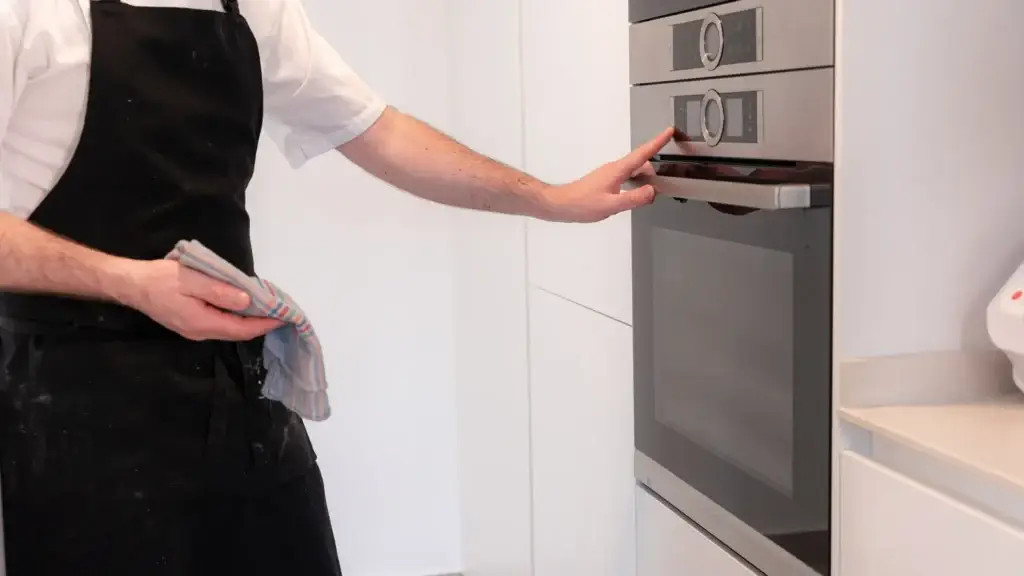
A complete end of lease clean brief covers the standard clean, anything outside that scope, and how to use the warranty period to protect your right to inspect.
Managers are normally vague when giving instructions to clean a property, usually asking for a “thorough” or “deep” clean. Providers interpret these instructions to mean different things.
This article describes what to include in end of lease cleaning services briefs, standard end of lease cleaning services, services outside the scope of standard end of lease cleaning, and how to use the warranty period to protect your right to carry out an inspection.
The Three-State Terminology Problem
There are three main terms used to describe the same service across Australia. These terms cause confusion when issuing instructions to service providers and when communicating with tenants.
In Queensland, the term is “bond cleaning.” The Residential Tenancies Authority is where rental bonds are held and where the exit condition report framework is established. References to “bond clean” must be used when providing instructions for a clean of a QLD rental property.
In Western Australia, the term is “vacate cleaning.” The redesign of the Residential Tenancy Bond Dispute Resolution process means that from 28 March 2026, disputes are decided first by the Commissioner for Consumer Protection, with appeal to the Magistrates Court within 7 days. Larger floor spaces in WA properties increase the likelihood of requests to clean hard-to-reach areas, such as the ducts of evaporative air conditioners, and the hard water staining common on bathroom and kitchen glass.
In NSW and VIC, the term is “end of lease cleaning.” The NSW Rental Bonds Online service is administered by NSW Fair Trading. In VIC, rental bonds are administered by Consumer Affairs Victoria and the Residential Tenancies Bond Authority. Older housing in Sydney and Melbourne has higher ceilings, hardwood floors, cornices, and other features that add scope to the cleaning plan.
If you manage properties in more than one state, you must use the terminology relevant to that state when briefing a job. There are slight differences in state-based standards and the briefs should be adjusted to reflect those differences.
Timing of the Clean
The brief is only effective if the clean is timed correctly. The best time to clean a rental property is when the tenant has fully vacated the property and all repairs and maintenance have been completed. For the full sequence and realistic timeframes between tenancies, see the tenant changeover cleaning schedule.
Fully vacated property. If the property is not fully vacated, the cleaners will not be able to reach areas behind furnishings and access all areas of the property.
Maintenance and repairs first. All maintenance and repairs should be completed before the property is cleaned. If maintenance has recently been completed, paint and other building materials may not have fully cured, and cleaning activity can disturb and remove those materials before they have set. The best way to ensure a thorough cleaning is to schedule maintenance and cleaning in the right order: the tenant vacates, maintenance is completed, then cleaning takes place. Briefing the cleaning of a rental property before maintenance is scheduled is the reason most first inspections show that the property appears clean but still fails to meet requirements on closer inspection.
Realistic estimation of cleaning time. Carpets that have not been professionally cleaned and other high-use areas of a property may require additional time compared to less-used areas. Ensure your cleaners have an accurate description of the job. If they do not have enough time, it can lead to a failed clean and an ensuing re-clean request.
Utilities connected. A cleaner cannot perform an exit clean without running water. Without power, a cleaner cannot use heated equipment to clean grout or remove deposits from fixtures. Ensure utilities are connected before the clean date.
What a Good End of Lease Clean Brief Covers
A good brief covers the following:
1. The current state of the property. Note conditions that cannot be explained by normal wear and tear.
2. Odour issues. Pet odour, cigarette smoke, and heavy cooking residue require targeted treatment. A general clean will not resolve these issues.
3. The scope of work for carpet cleaning, if any, and the rationale for the work. This is important because of the clause’s definition and enforceability.
4. Access and timing. Obtain the exact date and time, confirm who will have the key, and confirm whether a tradesperson access lock box will be in place. Determine if power and water will be connected. Note any specific building access requirements.
5. The agent’s exit condition checklist. If your office uses a standard condition checklist, include it in the brief. If a checklist is not available, the cleaning standard will be assessed against the property condition report your agents use.
6. Your inspection window. Provide the date and time of your planned inspection. This is especially important because it determines the warranty window for the cleaning.
The Items Most Commonly Raised on Condition Reports
From what Urgent Pro sees as the booking agency across thousands of exit cleans booked through its platform, the items below are the most likely to be raised on an agent’s exit condition report. Queensland property managers can compare this list against the QLD bond cleaning inspection guide to gain further context. Including these items in your brief helps avoid ambiguity.
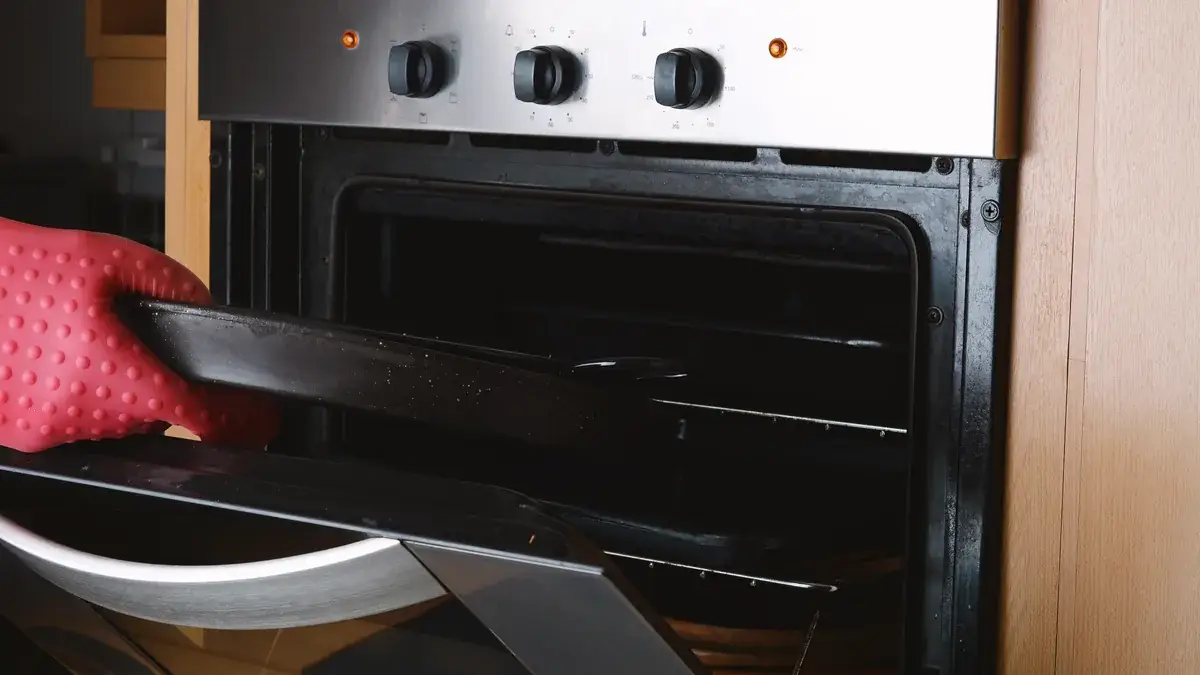
Oven and rangehood. Degreasers are designed to break down and dissolve heavy grease. It often takes multiple treatment cycles for heavy grease to break down and be removed. General cleaners often do not remove grease buildup on rangehood filters. Flag known oven condition in the brief.
Shower screens and bathroom grout. Calcium buildup can be severe in areas with high mineral content in the water, such as Perth, and can be very difficult to remove entirely.
Exhaust fans and air conditioning filters. Brisbane, the Gold Coast, and Perth have warm climates. As a result, air conditioning filters become heavily loaded with dust and need to be cleaned or replaced more frequently. Include both explicitly in the brief.
Sliding door tracks and window runners. These collect significant dirt and grit and are often not cleaned during routine maintenance. They take time to do properly and are frequently skipped when a provider is working to a tight schedule.
Hidden areas. Areas collecting dust and grime, behind doors, on upper shelves, ceiling fans, light switches, and skirting boards, are often not cleaned during routine cleaning. A brief that specifically names these areas helps ensure the entire property is cleaned, not just the visible surfaces. A brief that asks for these areas to be cleaned helps ensure they are not overlooked. These areas are often easily noticed and help distinguish a thorough clean from a casual one.
What to Specify in the Carpet Cleaning Brief
Carpet cleaning is the most contested area of scope in an exit clean. The following must be addressed in the brief.
Whether it will happen. A vacate clean, bond clean, or end of lease clean will not include carpet cleaning unless it is separately booked as a line item.
Why it is required. Whether a professional carpet cleaning clause is enforceable depends on the state, the condition of the property at entry, and how the clause is worded. Whether a lease can require a professional carpet clean regardless of condition is contested and treated differently by state, so check your state authority before you rely on a clause. If the requirement for a carpet clean is based on your assessment of the property’s condition or at the discretion of your agency, document this in the brief.
How it will be done and when. Specify the cleaning method in the brief and note any time constraints. Allow adequate time for the carpet to dry before your inspection or the incoming tenant’s move-in date.
The Warranty Window and Your Inspection Schedule
The Urgent Pro warranty for bond, vacate, and end of lease cleans expires at the shorter of 14 days from when the clean was performed or 72 hours from when the Agent’s Exit-Condition Report is issued. The full terms of the Urgent Pro cleaning service warranty cover all conditions and the re-clean process.
Schedule your post-cleaning inspection promptly. The warranty gives the property manager up to 14 days from the completion of the clean to perform an inspection. If issues are raised in the exit report beyond that window, Urgent Pro may not be able to remedy the situation.
Following the issuance of your exit report, the warranty ends at the earlier of 14 days from completion of the clean or 72 hours from the report being issued. Once a re-clean claim is confirmed within that window, Urgent Pro schedules the re-clean within 7 days of claim acceptance, coordinated with your re-inspection. Communicate your desired re-inspection date in your exit report.
The warranty period can be extended by up to 7 days where the inspection is delayed by factors outside your control, such as agent unavailability, weekends, or public holidays. Contact Urgent Pro to arrange the extension.
Document the Clean Before You Inspect
A crucial step often missing from the property management workflow is taking photographs of the property after it has been cleaned and before it is inspected.
Photographs of the freshly cleaned property serve two important functions. First, the photos show the condition of the property at delivery. If during a formal inspection an agent raises a complaint about the quality of the cleaning, the photographs can help clarify the condition at delivery and demonstrate why the complaint may be unfair. Second, the photographs give the cleaning service an opportunity to correct any minor issue before the official inspection rather than after it.
Minor service complaints are best resolved during the walk-through conducted immediately after the cleaning service completes its work. This is much more effective than relying on service warranties to resolve complaints that could have been addressed on the day.
Getting a Consistent Outcome Across Your Portfolio
An effective brief for each of your properties can significantly reduce re-cleaning complaints. A detailed brief prior to an exit clean defines expectations and requirements and clarifies the scope of any dispute that might follow. Coordinating cleaning, rubbish removal and garden work across several rentals is covered in running services across multiple properties.
Urgent Pro provides end of lease cleans in Sydney, Melbourne, and Perth, and bond cleans in Brisbane and the Gold Coast. To book end of lease cleaning providers for your portfolio, bookings are confirmed with the provider’s name, ABN, service details and pricing on the booking confirmation before work begins. Before adding a provider to a portfolio, see how to vet a cleaning company.
FAQs
What should a good end of lease cleaning brief include?
Confirmation that the property will be vacant and maintenance-complete before the clean, any known problem areas, the scope of carpet cleaning and the basis for it, access details and utility status, the agent’s exit condition checklist where available, and the planned inspection date. A complete brief allows an accurate quote and helps the cleaner prepare for the expected conditions at the property.
What is the difference between a bond clean, vacate clean, and end of lease clean?
The service is the same regardless of the name. In Queensland it is called a bond clean. In New South Wales and Victoria it is called an end of lease clean. In Western Australia it is a vacate clean. The standard in all states is return-to-entry-condition, fair wear and tear excepted, as required by each state’s residential tenancy legislation.
How long does a property manager have to inspect after a bond clean?
The Urgent Pro warranty runs for the shorter of 14 days from completion or 72 hours from the Agent’s Exit-Condition Report. Schedule the site inspection within the first week following the completion of the clean. A re-clean is arranged within 7 days of the Urgent Pro warranty being activated and is scheduled in coordination with your re-inspection.
Why should property managers photograph the property after a clean?
Photos show the state of the property at the time of cleaning and before the formal inspection. The photographs are a record that can be used to defend against unfair cleaning complaints. They also allow minor issues to be addressed before the formal inspection is conducted, which is faster and more effective than activating the re-clean warranty after the fact.
When is carpet cleaning included in a bond clean or end of lease clean?
It is not included by default. A bond clean, vacate clean, or end of lease clean does not include professional carpet cleaning unless it is specifically booked as a separate line item. If the brief does not specify carpet cleaning, no carpet cleaning will be performed.