
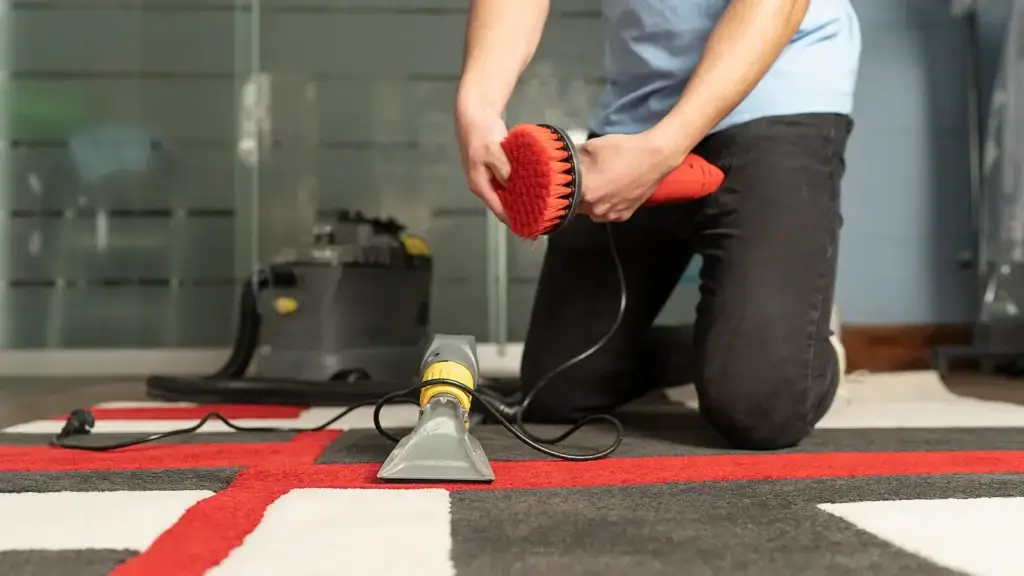
Australians tend to make the same mistake with carpet cleaning. Most people focus on which company to book. The bigger mistake is choosing the wrong method. A tenant in a rush books a steam clean the day before her exit inspection, leaves the fans running, and ends up with soaking carpet the night before the agent walks through. A homeowner books dry cleaning on a heavily soiled rug and sees almost no improvement. Both situations come down to the same problem: picking a method without understanding what it actually does.
This guide explains how each method works, where each one wins, which carpets and situations call for which, and what to tell your provider before they start.
The Short Answer
For most Australian homes with synthetic carpet and general soiling, hot water extraction gives the deeper and more thorough clean. It reaches the base of the pile and flushes out embedded soils, allergens, and odour that surface methods leave behind. Dry cleaning’s standout advantage is speed. Carpets are walkable within an hour or two instead of waiting several hours. Neither method is universally better. The right choice comes down to your carpet fibre, how soiled it is, your drying window, and why you are booking. You can see the full range of professional carpet cleaning options available across all five cities Urgent Pro serves.
What “Steam Cleaning” Actually Means (It Is Not Steam)
Despite the name, steam cleaning does not use steam. The correct term is hot water extraction, which describes exactly what happens: hot water mixed with a cleaning solution is injected into the carpet pile under pressure, then immediately pulled back out by a powerful vacuum along with the loosened soil.
The process works like this. The provider pre-vacuums the area to remove loose dirt and grit. They apply a pre-treatment solution to high-traffic lanes and visible stains. The extraction wand then works across the carpet in overlapping passes, injecting and pulling back in the same motion. A final moisture-extraction pass reduces drying time. Most jobs finish with a walk-through and guidance on drying and when it is safe to re-occupy the room.
The cleaning depth is the real advantage here. Because hot water is injected under pressure, it reaches the base of the carpet pile, not just the upper fibres, and the vacuum pulls the contaminated water back out. This is why steam cleaning outperforms dry methods on heavily soiled carpet, set-in stains, and pet odour that has worked its way down into the pile or underlay.
Equipment quality makes a genuine difference. Truck-mounted extraction systems are significantly more powerful than portable units. They heat water to higher temperatures, inject it at greater pressure, and extract harder, which means more soil removed and less residual moisture left behind. A portable machine that leaves the carpet wetter than it should be is a drying-time problem waiting to happen.
What Dry Carpet Cleaning Actually Means
Dry carpet cleaning is more accurately described as low-moisture cleaning, because a small amount of liquid is still involved. There are two common approaches.
The compound method spreads an absorbent powder across the carpet, slightly damp with cleaning agents in it, then works it into the pile with a rotary brush. The compound binds to soil particles, and the whole lot is vacuumed away. The encapsulation method applies a solution that crystallises around soil particles as it dries, so they can be vacuumed up without saturating the carpet. Both approaches share the defining characteristic: far less water than hot water extraction, which is exactly why carpets dry so quickly.
The honest limitation is depth. Dry cleaning does a solid job on the upper part of the pile and on light-to-moderate soiling. It is less effective at reaching dirt, set-in stains, and odours that have worked their way down to the base of the carpet or into the underlay. For regular maintenance on a reasonably clean carpet, it is a good fit. For a carpet that has not had a professional carpet clean in years, or one that has had pet accidents reach the underlay, it is not the right tool.
Side-by-Side Comparison
| What matters | Dry cleaning | Steam (hot water extraction) |
|---|---|---|
| Cleaning depth | Surface to mid-pile | Deep, down to the base of the fibres |
| Drying time | 1–2 hours, walkable almost immediately | 4–8 hours typically; longer in humid conditions |
| Heavy soiling and traffic lanes | Best for light soiling | Best for heavily soiled carpet |
| Set-in stains and pet odour | Surface marks only | Pre-treatment plus deep extraction |
| Allergens and dust mites | Reduces surface allergens | Flushes them out more thoroughly |
| Natural fibres (wool, jute, sisal) | Usually the safer choice | Risk of damage, disclose fibre at booking |
| Synthetic fibres (nylon, polyester) | Fine for light maintenance | Preferred for deep cleaning |
| End-of-lease or bond inspection | Check with your property manager first | Method most agents expect on the invoice |
| Post-clean walkability | Immediate | 4–8 hours minimum |
Why Fibre Type Changes Everything
Misidentifying carpet fibre type before a clean is one of the most commonly ignored topics in carpet cleaning content. It should not be. It is the leading cause of carpet damage claims on the Urgent Pro platform, and almost every case was avoidable.
Wool carpets are often assumed to be tough because they feel robust underfoot. The reality is the opposite. Wool has a delicate structure that makes it vulnerable to heat, excess water, and alkaline cleaning products. Hot water extraction on wool can cause shrinkage along seams and edges, felting of the pile, and colour shift. Once that damage occurs, it cannot be reversed. If your carpet has a wool content label, check under a loose corner or inside a wardrobe, and disclose this at booking before any method is agreed.
Silk, jute, sisal, and seagrass are natural fibres found in higher-end rugs and some carpet backings. Hot water extraction on these can cause the backing to rot, fibres to swell unevenly, and brown marks to appear as the organic material breaks down during drying. Dry cleaning is the appropriate approach, but for a high-value natural fibre rug, a specialist rug cleaner is often a better option than a general carpet cleaning provider.
Synthetic fibres, including nylon, polyester, and polypropylene, make up the majority of residential carpet installed in Australia from the mid-1990s onward. They tolerate hot water extraction well, hold dye reliably, and dry faster than natural fibres. If you are not sure what your carpet is and it is in a standard rental property or a newer home, it is almost certainly synthetic.
When in genuine doubt, say so at booking. A professional will spot-test in an inconspicuous corner before applying any product to a carpet they have not seen before. If a provider does not offer this and cannot identify the fibre confidently, that is the moment to find someone else.
Drying Time: What Actually Affects It
Hot water extraction done correctly, with good equipment, proper extraction passes, and no over-wetting, typically leaves carpets walkable within 4–6 hours and fully dry within 24 hours. Done poorly, with underpowered equipment or insufficient extraction passes, the same carpet can take 48 hours or more. Extended moisture in the pile is also what produces the musty, damp odour that some customers notice after a steam clean. That smell is bacterial activity in a carpet that has not dried properly, not a sign the cleaning itself went wrong.
What affects drying time the most:
Airflow is the most controllable variable. Open windows and ceiling fans make a significant difference. A sealed room with no air movement can double the drying time regardless of how good the equipment was.
Humidity slows evaporation. Brisbane and Gold Coast in summer, or Melbourne and Perth in winter, carry more moisture in the air. Build more time into your schedule in those conditions.
Room temperature matters too. Warmer rooms dry faster. Running the air conditioner on dry mode in humid weather speeds things up considerably.
Carpet thickness affects how much water the pile holds and how long it takes to release it.
Equipment quality makes a real difference on residual moisture. Truck-mounted extraction systems leave considerably less moisture behind than portable units.
In Perth specifically, winter months bring cooler temperatures and limited natural airflow in newer apartments and homes with sealed windows. A same-day inspection after a steam clean in July is a genuine risk. Allow a full day where you can. The Perth carpet cleaning service covers city-specific timing considerations in more detail.
Which Method for Your Situation
Rather than a one-size-fits-all answer, here is how the method choice maps to the situations we see most often at Urgent Pro. The method you land on also moves the quote, so it is worth reading this alongside how carpet cleaning is priced.
You have pets, kids, or allergy sufferers in the home. Choose hot water extraction. Pet urine that has reached the underlay requires enzymatic pre-treatment plus deep extraction to flush the contamination out. Dry cleaning does not carry enough moisture to reach sub-pile contamination, and surface-cleaning a urine-affected carpet leaves the odour source untouched. For allergens and dust mites, hot water extraction is more effective at flushing them out from the base of the pile where they settle.
You need the room back in use within two hours. Choose dry cleaning. An office that cannot be out of action, a rental being turned around between inspections, or a lounge needed by evening. Dry cleaning is the right call in those situations. Just be realistic about the depth of clean you are getting. If the carpet is heavily soiled, dry cleaning will refresh it but not restore it.
You are at the end of a lease and need a receipt for the property manager. Hot water extraction is the strongly preferred choice. This is the method most Australian property managers expect to see on a professional carpet cleaning invoice, and it is what holds up at a final inspection. For a full picture of what end-of-lease cleaning involves beyond the carpets, the Urgent Pro cleaning services overview is a good starting point. Dry cleaning is a legitimate professional method and the invoice is valid, but check with your agent before you book.
Your carpet is wool, silk, jute, or another natural fibre. Dry cleaning or a specialist low-moisture method. Hot water extraction on these fibres risks irreversible damage. Disclose the fibre type at booking. If your provider cannot immediately confirm they have experience with natural fibres, find a different provider.
You want a routine maintenance clean between deep cleans. Either method works. Dry cleaning is faster and cheaper for a light refresh. Hot water extraction every six to twelve months removes the abrasive grit that gradually damages synthetic carpet fibres from within. This is the clean that protects the life of the carpet, not just its appearance on the day.
Your carpet has heavy soiling or has not been professionally cleaned in years. Hot water extraction. The compound or encapsulation method will improve the surface, but deeply embedded soils, bacteria, and traffic-lane damage require the flushing action of hot water under pressure. Dry cleaning is not built for deep remediation.
End of Lease Carpet Cleaning: What Agents Actually Expect
The carpet cleaning clause in an Australian tenancy agreement is one of the most misunderstood obligations tenants face. A few things are worth knowing before you book.
Tenancy law on professional cleaning requirements varies by state. In some jurisdictions, a blanket lease clause requiring professional carpet cleaning regardless of the carpet’s condition has been found to be unenforceable if the carpet was returned in the same or better condition than at the start of the tenancy. The standard is the condition of the carpet, not the method used to achieve it. This is a nuanced and evolving area. Check with your state tenancy authority before making any assumptions. The Residential Tenancies Authority (RTA) in Queensland, NSW Fair Trading, Consumer Affairs Victoria, and Consumer Protection via DEMIRS in Western Australia are the right sources for current guidance. For the WA-specific position, the article on WA vacate cleaning legal requirements covers the legislation and what it means in practice. More broadly, the fair wear and tear standard that decides it matters more than what the lease clause itself says.
What the receipt needs to show: the provider’s business name, ABN, the date, the address of the property, and what was cleaned. A handwritten note or a generic receipt without an ABN will not be accepted. Verified independent providers on the Urgent Pro platform issue tax invoices that meet what property managers expect.
The 7-day warranty window matters here too. Carpet cleaning booked through Urgent Pro carries a 7-day service warranty, which reflects the time the carpet needs to fully dry and for wicking or residue issues to become visible. If a treated stain reappears within that window because of wicking from the underlay, soil drawn back up to the surface as the carpet dries, a re-clean is covered. It is worth reading the warranty before you book for a lease-end inspection.
What to Tell Your Provider at Booking
Getting the method right starts before the van arrives. Here is what to tell your provider when you book.
Fibre type. Wool, silk, jute, sisal. Flag these immediately. If you are not sure, say so and ask for a spot test before any product goes on.
Existing stains and their age. Set-in stains may not fully lift regardless of method. A good provider documents pre-existing stains at the start of the job. This protects both parties and avoids a dispute at the end.
Your drying window. If the space needs to be usable by a specific time, say so when you book, not when the provider arrives. They can advise whether the timeline is realistic for the method and the conditions on the day.
Pets. Pet urine that has reached the underlay requires enzymatic pre-treatment and a specific product. This is usually a variation to the standard booking price, but considerably cheaper than a failed odour result and having to book a second clean.
Previous treatments. If home products have been applied to a stain, particularly supermarket stain removers, salt, or bicarbonate of soda, tell the provider. Some home treatments set stains further or react badly with professional cleaning chemistry.
Stain Removal: The Honest Version
No professional carpet cleaning method removes every stain. Any provider who guarantees complete stain removal before they have even seen the carpet is either inexperienced or not being straight with you. Every reputable operator in Australia explicitly disclaims 100% stain removal for exactly this reason.
Stains that professional cleaning typically improves significantly: coffee, tea, food, dirt, and most general soiling. Results are better when the stain is recent and nothing has been applied to it beforehand.
Stains that may not fully lift regardless of method: oil-based stains such as cooking oil, grease, or makeup that have been present for a long time; bleach damage, which is not a stain but a permanent chemical alteration of the dye; old red wine or cordial stains that have been treated at home and set further; and stains that have saturated through to the backing.
The honest expectation is meaningful improvement, with the extent depending on the stain type, its age, and what has already been applied to it. A provider who photographs and documents the stains at the start of the job and gives you a realistic assessment is one worth rebooking. One who promises complete removal before they have seen the carpet is not. If you want to understand how Urgent Pro handles disputes and re-cleans, the service warranty sets out exactly what is covered.
Quick-Reference Summary
Use hot water extraction for: synthetic carpets, heavy soiling, pet odour and urine treatment, homes with children or allergy sufferers, end-of-lease receipts, and annual deep cleaning.
Use dry cleaning for: wool and natural fibre carpets, tight drying windows, quick turnarounds, and light maintenance cleans between deep cleans.
Disclose at booking: fibre type if natural or unknown, pet accidents that may have reached the underlay, existing stains and their age, any home treatments previously applied, and your drying deadline.
Ready to book? The Urgent Pro carpet cleaning service covers Perth, Melbourne, Sydney, Brisbane, and the Gold Coast with verified independent providers and fixed GST-inclusive pricing.