
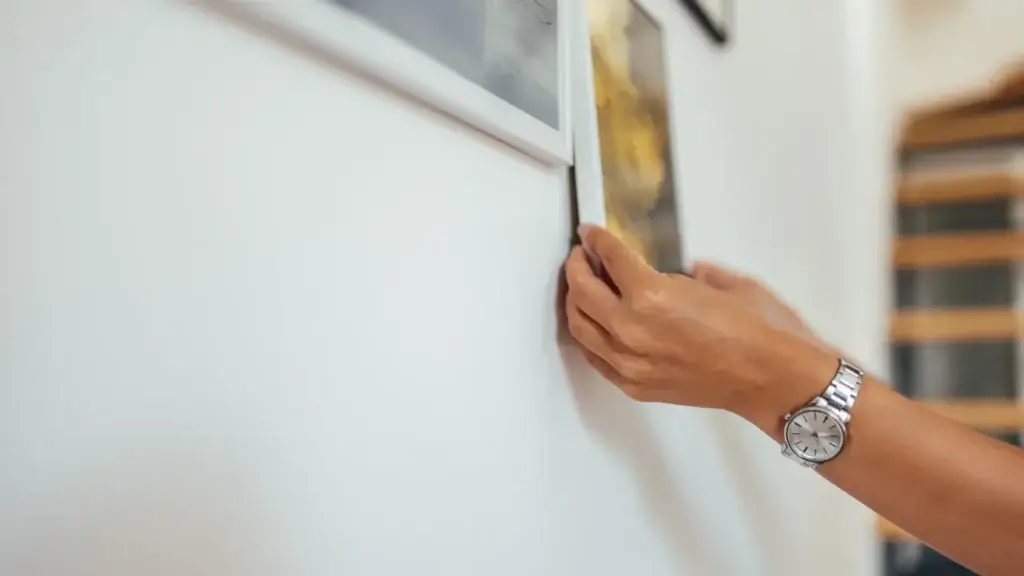
A tenant can be charged for damage but not for fair wear and tear, which is the normal deterioration from everyday living. In NSW’s official examples, faded paint, scuffed floors and carpet traffic marks are wear, while paint pulled off by blu-tack is damage. Picture hook holes are less clear-cut, so treat them with care.
That difference decides who pays at the end of a tenancy. Whether an item also needs cleaning is a separate question, and the vacate and end of lease cleaning service covers the cleaning side only.
What Fair Wear and Tear Means
Fair wear and tear is the gradual deterioration a property suffers through reasonable, ordinary use. Damage is different: it comes from an event, an accident, neglect or an action that goes beyond ordinary use. State authorities such as the RTA in Queensland publish their own guidance, and the principle is the same in each state where Urgent Pro operates. At the end of the tenancy the tenant returns the property as near as possible to the condition recorded at the start, allowing for fair wear and tear.
Because the entry condition report is the benchmark, the photos and notes taken at the start of the tenancy carry most of the weight. An imperfection recorded at entry is not something you repair at exit. An item that looked fine at entry and is damaged at exit is assessed as damage unless the cause is ordinary use.
Assessors also look at how long you lived there and how old the item was. The same scuff can be treated differently after a five-year tenancy than after three months.
In NSW, a tenant is not financially responsible for damage caused by domestic abuse if they are not the perpetrator, whether the damage was caused by a co-tenant, occupant, guest or anyone else. The landlord or agent cannot deduct that damage from the bond. In Victoria, Rental Dispute Resolution Victoria states that rental providers can only claim on the bond for damage, not fair wear and tear.
Fair Wear and Tear Versus Damage: What NSW Fair Trading Publishes
NSW Fair Trading publishes paired examples on its fair wear and tear versus damage page. They are the clearest official examples in the country, and the principle behind them is the same everywhere: ordinary use is wear, an event or misuse is damage.
| Item | Fair wear and tear | Damage |
|---|---|---|
| Curtains | Faded curtains or frayed cords | Missing or torn curtains |
| Carpet | Furniture indentations and traffic marks | Stains or burn marks |
| Wooden floors | Scuffed floors | Badly scratched or gouged floors |
| Paint | Faded, chipped or cracked paint | An unapproved or poor quality paint job |
| Kitchen benchtop | A worn benchtop | Burns or cuts in the benchtop |
| Doors and windows | Loose hinges or handles, worn sliding tracks | Broken glass |
| Water stains | Stains on carpet from rain through a leaking roof or bad plumbing | Stains on carpet from an overflowing bath or indoor pot plants |
| Walls | Paint worn off near a light switch | Paint damage from removing posters stuck with blu-tack or sticky tape |
Two patterns run through the table. Wear builds up slowly through ordinary use, such as traffic marks, fading and loosened fittings. Damage usually traces back to a single event or a choice, such as a burn, a stain, an adhesive or a spill.
Picture Hooks, Nails and Wall Marks
The NSW list does not mention picture hook holes, and there is no single national ruling on them. In practice, agents look at three things: how many holes there are, what made them, and what your lease says about hanging pictures.
- One or two small hook holes are what many agents accept where the lease allows pictures to be hung. Check the lease and ask for written permission before you start.
- Many holes, large holes or anchors are treated as damage. A wall covered in nails from a gallery of mirrors is a different case from one hook behind a frame.
- Adhesive marks from blu-tack, tape and putty are damage in NSW’s published examples, because removing them takes paint with them.
- Light scuffs on skirting boards, near switches and along walls where furniture sat are ordinary use. Gouges, crayon, ink or marks from furniture being dragged are not.
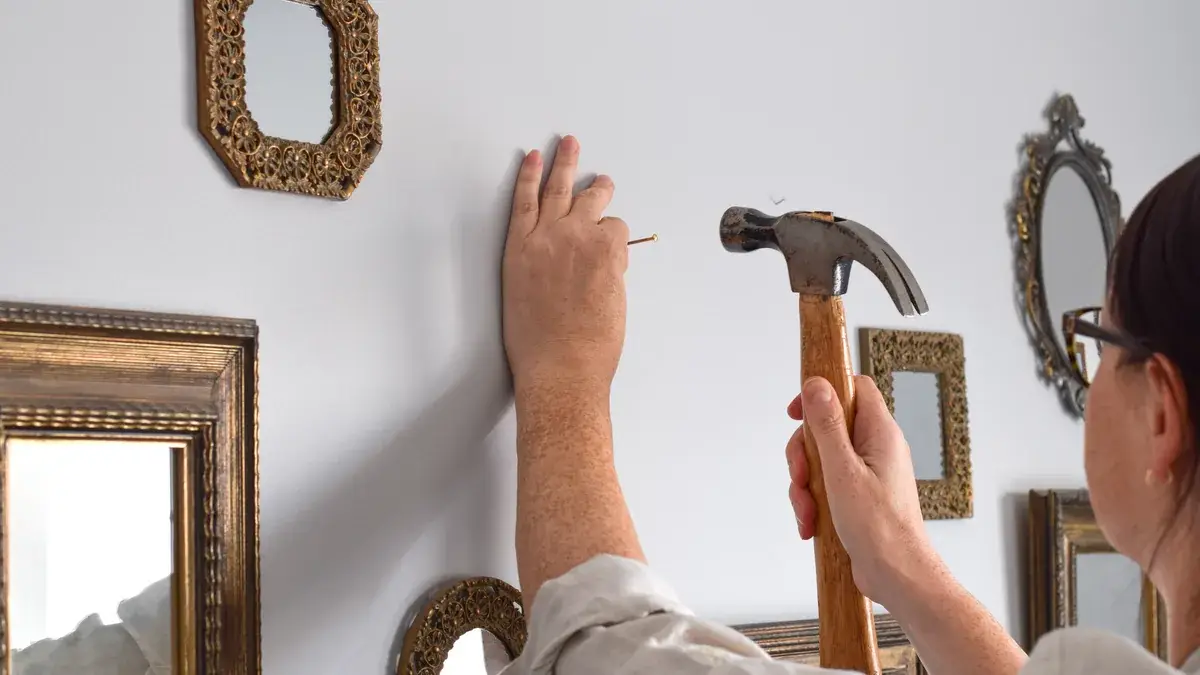
If your tenancy will not allow nails, use removable hooks made for rental walls. If holes are already there at entry, make sure they are on the condition report. If they are not, photograph them in the first days of the tenancy and send the photos to the property manager in writing. Assessors weigh both the location and the cause of a mark, so a scuff in a busy hallway is read differently from a gouge behind a door. For Victoria’s current bond rules, see Consumer Affairs Victoria.
Practical Steps to Reduce the Risk of a Dispute
- Photograph every wall, floor and fitting in the first days of the tenancy, and keep the dated originals.
- Use removable hooks, or ask permission before putting a nail in a wall.
- Clean marks off as they happen. A scuff that comes off with a damp cloth is a cleaning item at exit, not a repair.
- Walk through with the entry condition report before the final inspection and note anything that has changed beyond ordinary use.
- Read how agents judge the final inspection so you know which items get looked at first.
- Repair small damage before the inspection. Handyman repairs before your final inspection are available on the Urgent Pro network across Brisbane, Perth, Sydney, Melbourne and the Gold Coast, for non-licensed work such as wall repairs and skirting board touch-ups.
Cleaning and Fair Wear and Tear
Fair wear and tear is about condition, not cleanliness. A worn carpet path is wear, but dirt and grime in it are a cleaning matter. Your obligation is to return the property clean, as well as free of damage, to the standard recorded at entry.
That obligation has different names in different states. In Queensland it is called a bond clean, in Western Australia a vacate clean, and in NSW and Victoria an end of lease clean. Queensland tenants can see the Queensland bond clean checklist for the standard agents apply, and the ten items that most often fail covers what tends to be raised at inspection.
When you are ready to book, professional end of tenancy cleaning is available across all five cities through the Urgent Pro network.
FAQs
Are picture hook holes fair wear and tear?
There is no single national answer, and the NSW Fair Trading examples do not cover them. One or two small holes where the lease allows pictures are often accepted. Many holes, large holes and anchor holes are usually treated as damage. Check your lease and get permission in writing.
Does tenancy length affect what counts as fair wear and tear?
Yes. A longer tenancy means more ordinary use, so more wear is expected. The same mark can be assessed differently after five years than after a few months, and the age of the item is also considered.
Are carpet compression marks from furniture fair wear and tear?
Yes. NSW Fair Trading lists furniture indentations and traffic marks on carpet as fair wear and tear. Stains and burn marks are damage.
What if an item was already damaged when I moved in?
Check the entry condition report first. If it is not recorded there, contact the property manager in writing as soon as possible and send dated photos. Documenting damage in the first days of the tenancy protects you.