
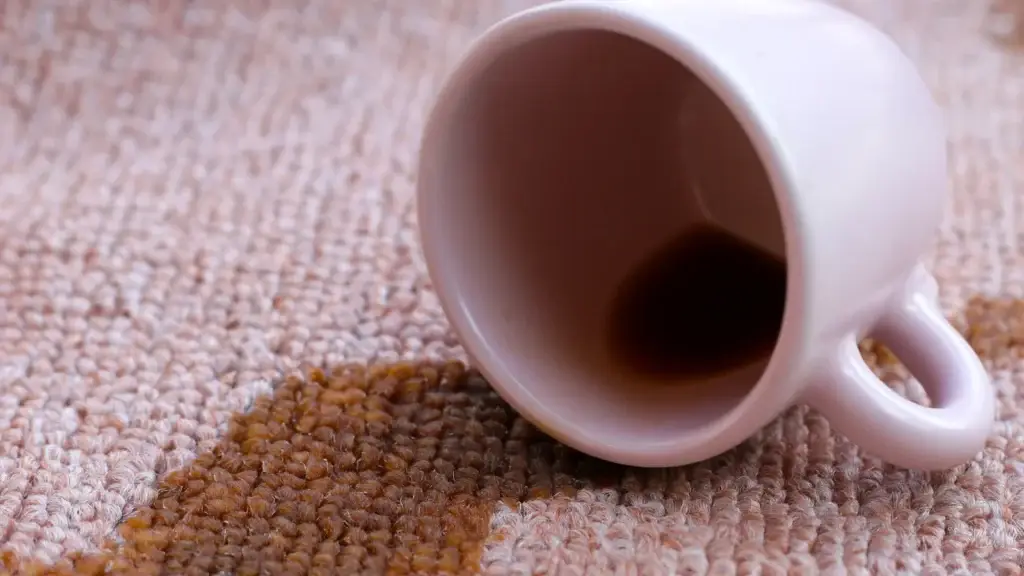
Blot a coffee or tea spill with cold water and a clean white cloth, and never reach for hot water or a hairdryer. Heat helps tannin bond to nylon fibre.
Verified independent providers on the Urgent Pro carpet cleaning platform handle stain assessments across five Australian cities. Coffee re-wicking after a DIY treatment is one of the most consistent reasons a callback is requested. The most common cause is hot water applied during the first attempt, or too much liquid used during treatment.
Why the carpet fibre matters
The type of fibre in your carpet will determine how quickly you need to act to remove the stain, and how permanent it will become.
Nylon, a common carpet fibre in Australian homes, has a distinctive double route to staining. Tannins in coffee readily form ionic bonds with the terminal amine groups of the nylon polymer, creating chemical attachments to the fibre. This is known as ionic bonding. Heat accelerates this process by causing the fibre to swell. Tannins gain kinetic energy from the heat and can penetrate deeper into the fibre before bonding, which is why, in the presence of heat, coffee stains are harder to remove. Cold water and speed are therefore essential on nylon carpet. Act within a few minutes, and remember that a hairdryer on the damp stain will only make things worse.
Polypropylene (olefin), which is common in high-traffic areas of the home, has no active bonding sites. It is also naturally hydrophobic, meaning it repels liquids rather than absorbing them. Coffee stains are much easier to remove from polypropylene, as the liquid does not penetrate the fibre the way it does with nylon.
Like nylon, wool has terminal amine groups, giving tannin the same bonding pathway. Wool’s natural overlapping scale structure provides a modest physical barrier that helps slow the rate of penetration. However, wool reacts negatively to alkaline cleaners, hydrogen peroxide, and bleach, making the choice of cleaning products rather limited. When spills occur on wool carpets, treat them immediately with a pH-neutral, wool-safe spotter to avoid further staining and damage.
Fresh coffee or tea: speed and cold water
The correct sequence for coffee or tea stain removal starts with blotting immediately with a clean white cloth. Blotting helps lift liquid; rubbing pushes liquid further into the pile. Replace the cloth once it is saturated, as a wet cloth redistributes the spill rather than lifting it.

Dilute the remaining tannin with cold water. Tannin is concentrated in the spill, and diluting it reduces the chance of further staining. Blot again with a clean cloth. Repeat until no more colour is transferred to the cloth.
A mild solution of one tablespoon of dish detergent and two cups of cold water helps break down the tannin. Do not pour the solution directly onto the stain. Apply it to a cloth and blot gently into the stain. Thoroughly rinse the area by blotting with a clean, damp cloth to remove any detergent from the carpet. It is important to rinse thoroughly, as detergent residue will attract dirt, making the spot appear dirty again.
Cold water is recommended throughout the entire process. Carpet cleaning guidance generally treats coffee and tea as tannin stains: act quickly with cold water, blot rather than rub, and avoid heat and excess moisture, because they can set tannin stains.
Soda water, if available, can be used in place of plain cold water in the dilution step. The carbonation can help displace the staining liquid from the pile. This works on synthetic carpet but has no benefit on wool, where the fizzing action adds unnecessary agitation to a delicate fibre.
When milk or sugar is present in the coffee or tea
A flat white or a sweet tea creates a compound stain.
Milk adds a protein stain component, which behaves differently from tannin stains. Sugar leaves behind a sticky residue that, over time, collects more dirt and dust, making an old stain even more noticeable.
Follow the same blot-and-cold-rinse sequence, but use a less concentrated detergent solution than in the fresh-stain method (one teaspoon of dish detergent instead of one tablespoon) and rinse more thoroughly than you would for black coffee. The extra rinse removes the sticky residue that turns the patch into a dirt magnet. If any stickiness remains once the carpet has dried, repeat the rinse-only step with a cold-water cloth.
Why treated stains come back
The carpet looks clean after it dries. The next day, the stain reappears. This happens often enough to warrant an explanation.
When stain treatment solution is worked deep into the carpet padding and backing during the cleaning process, and the carpet then dries, the liquid evaporates but the dissolved stain components (the tannins) get re-deposited on the carpet fibres. This re-deposition occurs because of capillary action. Wicking can also be caused by too much solution being used during treatment.
Wicking can be prevented by blotting rather than flooding the area, and by using a damp cloth to draw the liquid from the fibres. Once the treatment steps are complete, place a heavy object on a folded stack of paper towels over the treated area to absorb the moisture and tannin from the fibres.
Never try to speed up drying with a hairdryer. Heat has the same effect as hot water during treatment. It will set the stain and bond the tannins further into the fibre.
Dried coffee and tea: a different approach
When coffee is completely dry, simple blotting does not work. The tannins have mostly set.
Dampen the stain with cold water and let it stand for a few minutes. This softens the dried tannins and gives the cleaning solution something to work on. Do not soak the carpet, as excess moisture in the backing will cause wicking.
Make a solution of one tablespoon of white vinegar, one tablespoon of dish detergent, and two cups of cold water. Working from the edge of the stain, gently apply the solution with a cloth and let it dwell for a few minutes. Blot thoroughly. Repeat until no more colour transfers to the cloth. After all colour has been removed, rinse with a cold-water cloth and apply the paper towel method until the area is completely dry.
If the area still smells of coffee after treatment, apply a thin layer of bicarbonate of soda and let it stand for 15 minutes, then vacuum thoroughly to remove the odour. Vacuuming removes the bicarbonate of soda completely. Fine powders left in the carpet attract moisture.
If the stain has dried or set, or is more than a day or two old, and this treatment has not lifted it, the tannin may have bonded so strongly to nylon carpet that surface treatment cannot fully remove it. A professional hot water extraction, as carried out by verified independent providers, uses heat to flush the treated tannin from the nylon pile under controlled conditions. This is categorically different from applying hot water at the point of a spill. Extraction also uses appropriate chemistry and agitation in a carefully managed sequence.
The type of carpet fibre and its condition determine both the treatment approach and the realistic outcome.
| Carpet type | Action window | Safe DIY options | Avoid entirely |
|---|---|---|---|
| Nylon | Within a few minutes | Cold water with dish detergent, diluted vinegar (for dried stains) | Hot water, heat of any kind |
| Polypropylene | Up to 30 minutes | Cold water with dish detergent, diluted vinegar | Over-wetting the backing |
| Wool | Under 5 minutes | pH-neutral wool-safe spotter, cold water | Vinegar, hydrogen peroxide, bleach, alkaline cleaners, heat |
For wool carpet, look for a product approved by the WoolSafe Organisation. A diluted vinegar and dish detergent solution that works well on nylon could cause colour lift or fibre damage on wool. Always test any solution on a hidden area of the carpet to check it is colourfast before applying it to the stain.
Between professional cleans, the main things you can do to maintain the condition of your carpets are regular vacuuming and immediate treatment of spills. The house cleaning service can check carpets in high-spillage, high-traffic areas as part of a routine clean.
If the stain has dried or set, or is more than a day or two old, it is harder to treat and generally needs professional hot water extraction. A professional will use heat carefully, because heat can set tannin stains. Wool and wool blend carpets should also be assessed by a professional, as the safe treatment options are restricted.
If you have treated a stain yourself and it looks worse, do not treat it again. Let it dry completely first. Often, product residue from the cleaning solution combines with the tannin stain to make it look even worse. Over-wetting can also cause the stain to spread further into the pile.
Coffee and other spills that cover a large area of the carpet require a professional clean, as treating a large area with a household cleaning solution is rarely effective.
Verified independent providers on the Urgent Pro network carry their own public liability insurance covering third-party damage. A 14-day re-clean warranty applies to jobs booked through the platform. Prices and availability can be found on the carpet cleaning service page.
What a property manager sees
A visible coffee stain can be noted at the final inspection. A stain that cleans out is generally a cleaning item; one that has permanently altered the fibre may be treated as damage rather than fair wear and tear (the RTA explains the difference).
Book a professional clean before the final inspection on any stains that remain after your best attempt at removal. The initial cleaning may lift the stain, but re-wicking can still occur. Booking early leaves time for a second pass if needed.
Frequently Asked Questions
Why does the coffee stain come back after I clean it?
It is called wicking. When you clean the stain, liquid gets pushed down into the padding of the carpet. As it dries, capillary action draws it back up to the surface, bringing the tannin with it. To reduce wicking, apply moisture with a cloth rather than pouring it on directly. After cleaning, place a folded stack of paper towels over the treated area and weigh them down with a heavy object for several hours so the moisture does not settle back into the padding.
Does the carpet fibre type affect how quickly I need to act?
Yes, significantly. Polypropylene is hydrophobic, meaning coffee sits on top of the fibre rather than being absorbed. This gives you up to 30 minutes to clean it up. In nylon, a common carpet fibre in Australian homes, coffee quickly forms ionic bonds with the fibre, so the best results come from acting within a few minutes. On wool fibres, treat the spill immediately with a wool-safe product.
Can you remove a dried coffee stain from carpet?
Yes, but it takes more effort. A solution of white vinegar and dish detergent can help break down the bond between the coffee and the fibre. Let the solution dwell for a few minutes and blot. This is effective on many dried coffee stains on synthetic fibres. If the stain has dried or set, or is more than a day or two old and home treatment has not lifted it, or it covers a large area, professional hot water extraction may be needed to fully lift the stain.
Does tea stain carpet the same way as coffee?
Yes. Tea and coffee both contain tannin and stain carpet fibres in the same way. Black tea without milk is treated identically to black coffee. Chai teas and herbal teas with additional colourings can also stain the carpet, as these colourings behave as dye stains on top of the tannin. Dye stains usually require a different treatment approach to tannin alone.
Can I use a hairdryer to dry the carpet after treating a coffee stain?
No. A hairdryer will make the stain set faster by accelerating the bonding of tannin to the fibres. The best method for drawing moisture out of the carpet is the paper towel weighting method: place paper towels over the treated area and weigh them down with a heavy object for several hours.
Why does a treated area attract dirt even after the stain appears to be gone?
Tannin is water-soluble and can be removed with the correct treatment. However, if the coffee contained milk or sugar, a sticky residue may remain in the pile after the tannin is lifted. This residue attracts dirt and dust, giving the area a cloudy look that gets worse over time. A longer rinse cycle and thorough blotting are necessary to remove the residue completely.